Leach field installation cost depends on soil, site layout, tank size, access, system type, permits, and local rules. A simple site with good soil may need less work than a property with poor drainage or hard access. The final cost is confirmed in a detailed quote after the property is checked.
Table of Contents
- What drives leach field installation cost?
- How does tank size affect leach field installation cost?
- How does property access change the installation price?
- How does septic system type affect installation cost?
- How does location affect leach field installation cost?
- What should a leach field installation quote include?
- When should you request a leach field installation quote?
- Frequently Asked Questions
What drives leach field installation cost?
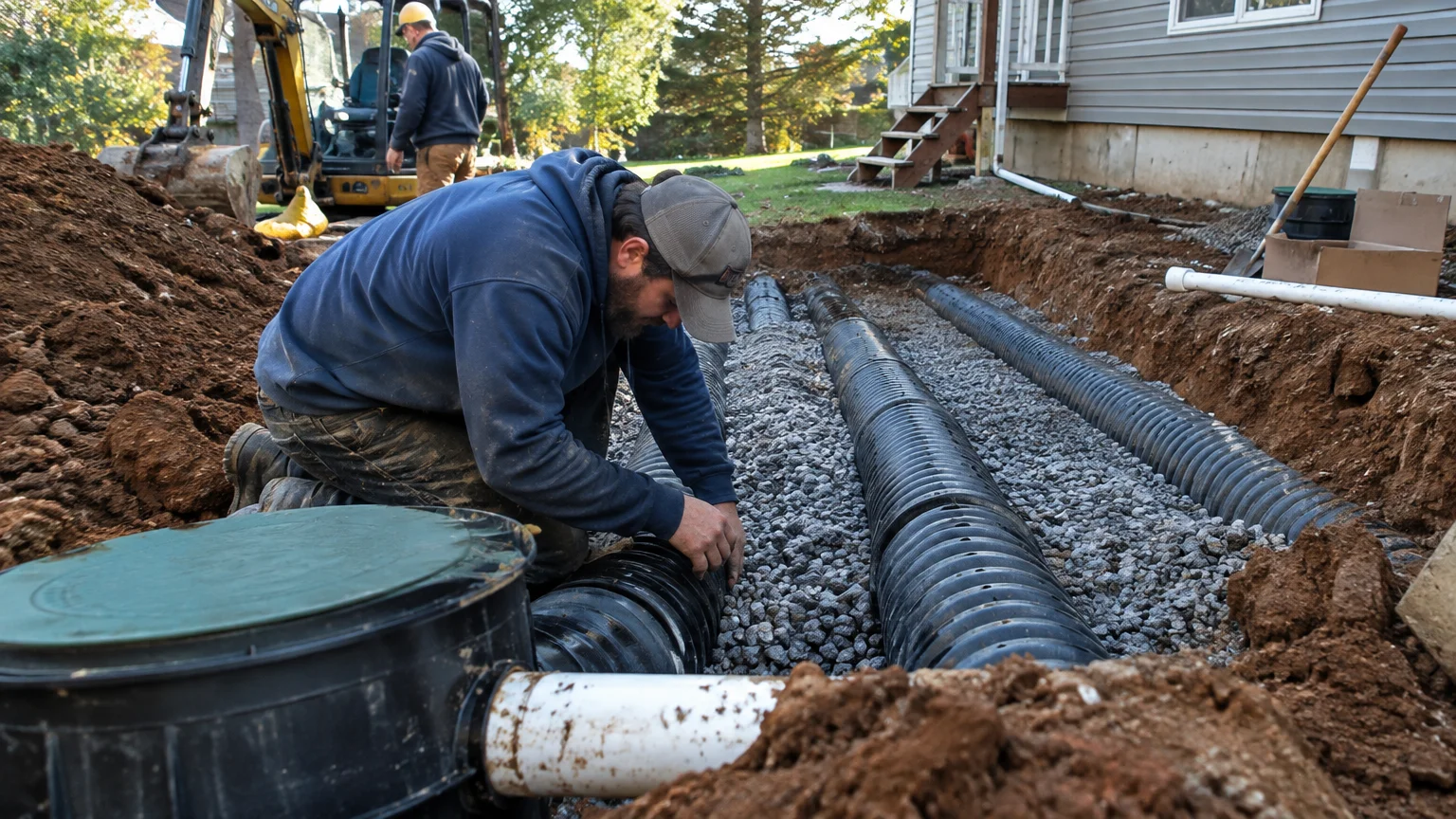
Leach field installation cost comes from the land, system plan, and work needed at the site. A leach field, also called a drainfield, is the part of a septic system that spreads treated wastewater into the soil. The soil must take in that water at a safe rate.
How soil, site conditions, and property layout affect pricing
Soil is one of the first things a septic professional checks. Sandy soil may drain well, while clay soil can hold water. Rock, a high water table, steep slopes, and nearby wells can make the plan harder. The home, property lines, driveways, wells, and surface water also affect where the field can go.
A soil check helps show if the land can support a standard field. Local rules may call for a site survey, soil test, or approved design. The size and shape of the usable land may limit the choices. A small lot may need a special system instead of a simple layout.
Why permits, design, and preparation matter
Permits help show that the planned system follows health and environmental rules. Design work may check wastewater needs, soil, setbacks, reserve areas, and slope. Site preparation may include clearing brush, removing old parts, improving drainage, or protecting nearby features.
The simplest installation is usually easier when the soil works well, access is clear, and open land is available. Hard site conditions do not always stop an installation. They can change the plan and the work involved. Septic Tank Pumping Knoxville can help Knoxville property owners understand which details may affect the project before the final quote is written.
How does tank size affect leach field installation cost?
Tank size affects the drainfield because the whole septic system must handle the property’s expected wastewater flow. The right plan depends on household size, bedroom count, building use, local rules, and plumbing fixtures.
Matching drain field capacity to household wastewater demand
A septic tank holds wastewater while solids settle and lighter material floats. Liquid then moves toward the drainfield. The field must accept this flow without staying too wet. A system that is too small may become overloaded. A larger design may need more land and materials.
A home with several bedrooms may need a larger approved system than a small home. A rental, guest house, office, or busy business may have different needs from a single-family home. Designers look at expected use, not only the number of people living there now.
Tank size is only one part of the cost factors. The field must also match the tank, soil, pipe layout, and local approval. A tank that works for one property may not work for another home nearby.
When an undersized or failing system needs a larger design
An existing system may need more than a repair when the field is too small, damaged, or placed in poor soil. Past additions, new plumbing fixtures, or a change in building use can also affect capacity. A failing field may need a replacement area, a new layout, or another treatment method.
Property owners should not add bedrooms or connect new buildings before checking the septic plan. The present tank and drainfield may not support the added flow. A professional can review records, inspect the land, and explain whether installation, repair, or another choice fits the property.
Routine septic pumping and proper maintenance may help a working system last longer. They cannot correct poor soil, a bad layout, or a field that has already failed. Emergency pumping may help during a backup, but it does not replace a full site review when the field is damaged.
How does property access change the installation price?
Property access affects the work because installation often needs digging equipment, pipe delivery, soil movement, and safe room for workers. Clear access can make the project easier. Narrow gates, steep driveways, fences, trees, and nearby buildings can limit equipment movement.
Equipment access, excavation, and material delivery challenges
A crew may need to move machines from the road to the work area. If the route is blocked, smaller equipment or extra preparation may be needed. Long paths for materials can also make delivery and handling harder. Buried utilities must be found before digging starts.
The tank and field locations both matter. A long distance between the house, tank, and field can change pipe placement and grading. During the site visit, owners should point out wells, irrigation lines, underground power, old tanks, and private utility lines.
Owners can safely move small items and mark private features before the crew arrives. They should not dig near the tank or field without proper utility checks. Digging, pipe work, and work near wastewater should be done by trained workers.
Landscaping, grading, and restoration considerations
Installation can disturb grass, gardens, trees, driveways, and other surface areas. Grading may be needed so water moves in the right direction. The finished area may need new soil, seed, erosion control, or other restoration work.
Restoration should be discussed before work starts. Some areas recover with basic soil and seed. Patios, walls, mature trees, and paved areas may need separate planning. A clear quote should explain which restoration tasks are included and which tasks belong to the owner.
Access problems can also affect how long the work takes. A crew may need to protect a driveway or move equipment by a different route. These details should be checked before the quote is confirmed.
How does septic system type affect installation cost?
The septic system type affects the design, equipment, permits, and installation work. A conventional system may suit land with good soil and enough space. Other sites may need pumps, special treatment, raised soil, or added controls.
Conventional gravity-fed drain fields
A conventional gravity-fed system sends liquid from the tank toward the drainfield without a pump for normal movement. It may work well when the soil, slope, and layout meet local rules. Its design is often more direct than a system that needs dosing or added treatment.
This option is not right for every property. Poor soil, a high water table, limited space, or an unsafe slope may call for another design. A professional must confirm the system choice through site testing and local approval.
Pressure-dosed, mound, and alternative septic systems
A pressure-dosed system uses a pump and controls to spread liquid across the field in planned amounts. A mound system raises the treatment area above natural ground. This may help when soil is shallow or the water table is high. Other systems may add treatment steps when a standard field will not work.
These systems may need more equipment, inspections, controls, and maintenance. They may also need electrical work or a service plan. The owner should ask how the system works, which parts need care, and what happens during a power outage.
System type should follow the site check, not a guess based on a neighbor’s property. Two nearby lots can have different soil, slope, water levels, or approved designs. The final quote should name the planned system and explain why it fits the land.
How does location affect leach field installation cost?
Location affects the project through local labor, material delivery, permit rules, soil, and required inspections. A rural property may have different limits from a home in a developed neighborhood. Local rules may also control setbacks, reserve areas, tank placement, and approved treatment methods.
Regional labor, permitting, and material differences
Crews, engineers, soil professionals, and inspectors may have different roles in each area. Material delivery may also be easier in some places. Weather, ground conditions, and seasonal access can change the work plan.
The property’s location can affect how far equipment and materials must travel. It may also affect whether an old system can be repaired or must be replaced. This is why general online information cannot confirm the cost for one property.
Site-specific rules in Tennessee and the main Knoxville area — from Bearden and Fountain City to nearby neighborhoods and communities
Rules in Tennessee may differ between counties, cities, and health departments. The approved process may include a site check, permit request, design review, inspection, and final approval. The main Knoxville area, from Bearden and Fountain City to nearby neighborhoods and communities, includes properties with different soil types and local rules. Each site needs its own review.
Property owners should ask who handles permits and who schedules inspections. They should also ask if permit work is part of the quote or listed separately. Septic Tank Pumping Knoxville serves property owners and can explain which local details should be reviewed before installation planning moves ahead.
What should a leach field installation quote include?
A useful quote should explain the planned work in plain words. It should identify the system, main materials, site preparation, permit tasks, installation work, testing, and restoration. The final cost is confirmed only after the property and project details have been reviewed.
Design, permits, excavation, materials, and installation work
The quote should describe the field layout, pipe work, tank connection, distribution method, pumps, controls, and other main parts. It should also say whether design drawings, soil testing, permit help, inspections, excavation, backfilling, and cleanup are included.
Property owners should check if the quote covers removal of an old system. They should also ask about electrical work, access preparation, temporary fencing, traffic control, and protection for nearby features. Clear wording helps prevent confusion if site conditions change.
A quote should also explain its assumptions. For example, it may depend on clear access, usable soil, or the location of buried utilities. If those conditions are different, the planned work may need to change.
Items to clarify about testing, restoration, and follow-up
Testing may include a soil check, system checks, pressure checks, or inspections required by local authorities. The quote should say who performs each test and what happens if the site does not pass the first review. It should also explain how the disturbed area will be left.
Follow-up details matter too. Owners should ask about operating instructions, pump controls, alarm signals, maintenance needs, and papers needed for a future sale or repair. A written quote should list assumptions and exclusions instead of leaving them unclear.
A strong quote makes comparison easier without claiming that one design fits every property. Owners should compare the work scope, system type, permit duties, restoration plan, and follow-up support. They should not compare only the final figure.
When should you request a leach field installation quote?
A property owner should request a quote when the drainfield shows warning signs, the home is being expanded, or a property purchase depends on septic approval. Early planning allows time for testing, design, permits, and changes to the site plan.
Warning signs that a drain field may be failing
A failing field may show slow drains, sewage smells, wet ground, unusually green grass, standing wastewater, or sewage backing up indoors. These signs can have other causes, but they should not be ignored. Keep people and pets away from wastewater.
Common warning signs include:
- Wet or soft soil over the drainfield
- Strong sewage smells near the field or tank
- Slow drains across several fixtures
- Sewage returning through toilets or floor drains
- Unusual plant growth in the field area
Pumping alone may not fix a damaged field. Owners should avoid driving over the field, adding soil without advice, or using harsh drain products. A professional can check if the problem involves the tank, pipes, soil, pump, or field.
How Septic Tank Pumping Knoxville can help Knoxville property owners plan next steps
Septic Tank Pumping Knoxville can help property owners review symptoms, site limits, and project goals. The next step may be an inspection, records review, soil test, repair plan, or replacement design. Owners buying a property should request septic records and confirm that the system matches current home use.
A homeowner can handle some simple upkeep without a professional. This includes saving septic records, keeping vehicles off the field, watching for wet spots, and using water with care. Professional help is needed for excavation, tank work, field design, permit work, sewage leaks, and system failure.
Key takeaways
- Leach field installation cost depends on soil, access, system type, tank size, and local rules.
- A drainfield must match expected wastewater flow and approved site conditions.
- Hard access, poor soil, slopes, and high water can change the design.
- A clear quote should explain design, permits, materials, digging, testing, and restoration.
- Early review helps owners plan before a failing field causes a larger problem.
Conclusion
Leach field installation is different for every property. Soil, space, access, wastewater use, system type, and local approval all shape the work. A careful site review gives the owner a clearer plan and helps the final quote match real conditions.
Owners should act when they notice wet ground, odors, slow drains, or sewage backups. Contact us to discuss the property and plan the next step with Septic Tank Pumping Knoxville.
Frequently Asked Questions
How deep should a septic tank be?
A septic tank should sit at a depth that supports proper pipe flow and safe access. The exact depth depends on the tank design, soil, frost, site grade, and local rules. Lids should stay easy to reach for inspection and pumping. A professional should confirm the placement before digging.
How far does a septic tank need to be from a house?
The required distance depends on local health rules, tank design, property layout, wells, water features, and other setbacks. The tank also needs safe access for inspection and pumping. Owners should not rely on one general distance because Tennessee and local authorities may set different rules.
How does a septic system work?
Wastewater flows from the building into a septic tank. Solids settle, floating material stays near the top, and liquid leaves through an outlet. The drainfield spreads the liquid into suitable soil for more treatment. Regular pumping and careful water use help the system work well.
How can a property owner find the septic tank lid?
Records, inspection reports, property plans, and visible pipe routes may help locate the tank. Some lids are buried, while others sit near the surface. Owners should not guess by digging with equipment. A trained professional can help locate the tank safely and mark access points.
Who installs septic tanks near me?
A licensed septic installer or approved septic contractor usually handles tank and drainfield work. The right provider should understand local permits, soil testing, system design, digging, and inspections. Property owners can ask Septic Tank Pumping Knoxville about the next step for a site-specific review.
If you are not sure what you are dealing with, it is worth having someone look at it before it turns into a bigger job. Get in touch with Septic Tank Pumping Knoxville today and we will tell you where you stand.