The answer to what happens when septic tank is full is that wastewater has less room to settle and flow safely. Drains may slow, toilets may gurgle, and sewage may back up inside or surface near the drain field. Quick action can help limit health risks, water damage, and damage to the septic system.
A full tank does not always mean the whole system has failed. Septic tanks hold wastewater between pumping visits. Trouble starts when sludge takes up too much room, water use is too high, or a clog blocks the flow. These problems can cause similar signs, so careful checks are important.
Table of Contents
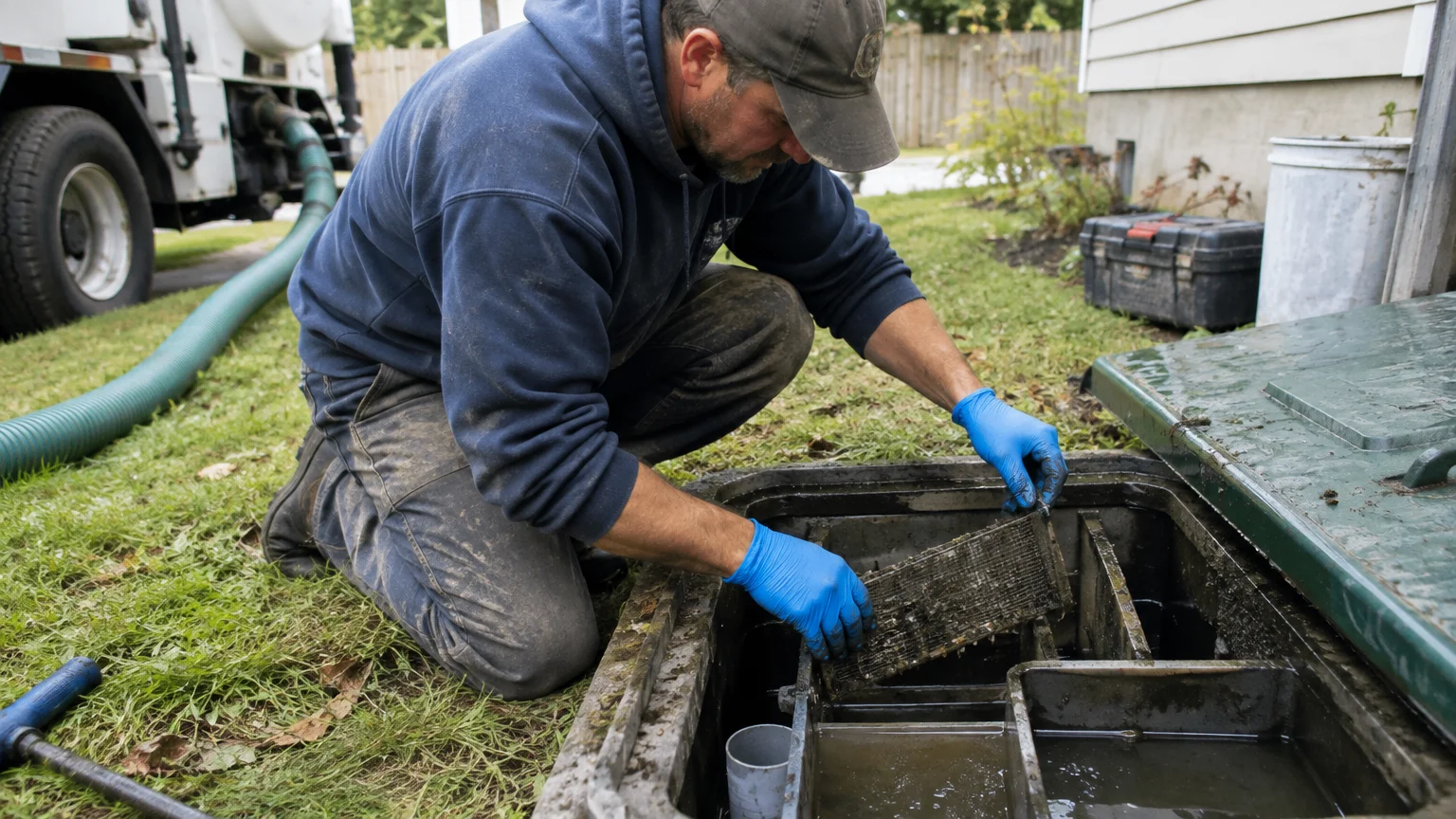
- What happens when a septic tank is full?
- What are the most common signs of a full septic tank?
- Why does a septic tank become full?
- Can a septic tank be full because of a clog?
- What should you do when your septic tank is full?
- When is a full septic tank an emergency?
- What happens during septic tank pumping?
- Can pumping fix every problem caused by a full septic tank?
- How much does septic tank pumping cost?
- How can you prevent a septic tank from becoming too full?
- Frequently Asked Questions
- Conclusion
What happens when a septic tank is full?
A full septic tank cannot hold and treat new wastewater as well. Water from toilets, sinks, showers, and washers enters the tank. When sludge, scum, or liquid fills too much of the tank, the usual settling process works less well.
How a full tank affects wastewater flow
Wastewater may move through the tank too fast. It may also stop moving out. Solids can travel toward the outlet and enter the drain field. This can block spaces in the soil and keep the field from taking in water.
A tank may stay full because the outlet pipe is blocked. Pumping may give short-term relief in this case. The blockage still needs to be found and fixed. A damaged pipe, failed pump, or wet drain field can cause the same signs.
A septic tank is the buried container that receives household wastewater. A septic system includes the tank, pipes, soil treatment area, and other parts that move and treat water. This difference helps explain why pumping may not solve every problem.
What homeowners may notice first
The first warning may be a slow toilet or a drain that empties poorly. Several drains may become slow at once. One slow sink often points to a local clog near that sink.
You may hear bubbling after flushing. You may also smell sewage near the tank or drain field. Septic Tank Pumping Knoxville can help property owners learn whether the issue needs septic pumping, clog work, or a deeper repair.
What are the most common signs of a full septic tank?
Common signs include slow drains, gurgling pipes, sewage backups, bad smells, and wet ground near the system. One sign may have another cause. Several signs together need quick attention.
Slow drains, gurgling, and sewage backups
A full tank can slow wastewater throughout the property. Toilets may flush slowly or rise higher than normal. Showers may drain poorly after several people use water close together.
Gurgling happens when air and wastewater struggle to move through pipes. It may happen after flushing, running a washer, or draining a tub. Sewage in a shower or floor drain is a serious warning.
Useful signs to watch for include:
- Several fixtures becoming slow at the same time.
- Water rising in a toilet when another fixture runs.
- Gurgling from toilets, sinks, or floor drains.
- Sewage or dirty water appearing inside the home.
Wet ground, odors, and unusually healthy grass
A drain field may show trouble when wastewater cannot spread through the soil. Wet patches, standing water, or a strong sewage smell may appear near the field. Grass may look very green because it gets extra water and nutrients.
These signs do not prove that the tank is full. Rain, broken water lines, poor grading, and sprinklers can cause similar changes. Still, wet ground near a septic system needs a careful check.
Never touch sewage with bare hands. Keep children and pets away from wet areas. Septic Tank Pumping Knoxville serves properties in the main Knoxville area, including Bearden and Fountain City, and can help find the next safe step.
Why does a septic tank become full?
A septic tank becomes full because of normal buildup or a flow problem. Sludge and scum collect over time. Extra water, blocked pipes, and poor drainage can make the tank fill or back up sooner.
Normal sludge and scum buildup
Sludge is the heavy solid layer at the bottom of a tank. Scum is the lighter layer that floats on top. Bacteria break down some waste, but they do not remove all solids.
As these layers grow, less working space remains for wastewater. Solids may then move toward the outlet. Regular septic tank pumping removes solids before they cause flow trouble.
The right pumping schedule depends on tank size, household use, waste type, and system design. A busy home may need service sooner than a lightly used property. A septic professional can suggest a routine after checking the system.
Excess water use and restricted drainage
A large amount of water at one time can strain a septic system. Several loads of laundry, long showers, leaking toilets, and running faucets all add water. Spreading water use across the week may help the system keep up.
The soil treatment area may also drain poorly. Heavy rain, packed soil, tree roots, pipe damage, or a wet field can slow wastewater flow. The tank may seem to fill fast even after recent pumping.
Do not drive over the drain field. Do not add soil, concrete, or buildings above it. These changes can limit air and water movement through the soil.
Can a septic tank be full because of a clog?
Yes. A clog can make a tank seem full because wastewater cannot travel through the pipes. The blockage may be inside the home, in the inlet or outlet pipe, or farther along the septic system.
Household drain clogs versus septic system clogs
A household drain clog often affects one fixture. A plunger or simple cleaning method may help when the blockage is close to that fixture. Follow product directions, and never mix chemical drain cleaners.
A septic system clog often affects several fixtures. Toilets, showers, and sinks may slow together. Sewage may back up at the lowest drain in the building.
Homeowners can check simple fixture problems safely. They should not open or enter a septic tank. Tanks may contain toxic gases and very little breathable air. Tank work belongs to trained professionals with proper equipment.
How outlet and inlet blockages affect the system
The inlet pipe carries wastewater into the tank. If it is blocked, waste may back up inside the building. The outlet pipe carries liquid toward the drain field. If it is blocked, the tank may stay high and wastewater may back up indoors.
Baffles and filters help control flow and keep solids from leaving the tank. A damaged baffle or dirty outlet filter can cause trouble even when the tank is sound. A professional can check these parts during service.
What should you do when your septic tank is full?

When a septic tank seems full, reduce water use, stop using affected fixtures, and arrange a professional check. Early action can help protect floors, soil, landscaping, and the drain field.
Immediate steps to limit wastewater and damage
Stop laundry, long showers, dishwashing, and other high-water tasks. Ask everyone at the property to use as little water as possible. Do not flush toilets unless needed.
Keep people and pets away from sewage or wet ground. If sewage enters the home, avoid contact and improve airflow without spreading dirty water. Do not pour drain chemicals, bleach, or other products into the system.
A homeowner can note which fixtures are affected. You can check for a visible indoor leak and look for odors or wet grass outside. Do not dig for the tank, remove covers, or walk across a soft drain field.
What information to share with a septic professional
Useful details include the last pumping date, recent plumbing work, changes in household use, and the first sign noticed. The professional may also ask about a pump tank, alarm, garbage disposal, or recent heavy rain.
Clear details help the technician plan a safer inspection. Septic Tank Pumping Knoxville can help homeowners explain the signs and decide whether septic pumping or another service fits the problem.
When is a full septic tank an emergency?
A full septic tank is urgent when sewage backs up, flows across the ground, enters a living area, or threatens a well or waterway. An alarm, failed effluent pump, or sudden loss of drainage also needs prompt help.
Situations that require prompt professional help
Get help quickly when many fixtures back up or wastewater appears near the drain field. Act quickly when a basement drain overflows, a septic alarm sounds, or a strong sewage smell comes from inside.
A tank that was pumped recently but fills again may have a blocked outlet, broken pipe, failed pump, or drain field problem. Repeated pumping without finding the cause can leave the main issue in place. In urgent cases, ask whether emergency pumping or 24/7 service is available.
Health and property risks from sewage exposure
Raw sewage may contain harmful germs. It can damage floors, drywall, furniture, landscaping, and soil. Children, older adults, pregnant people, and anyone with a weak immune system should avoid contact.
Do not wash sewage into a storm drain. Do not cover a spill with soil or let animals enter the area. A trained professional can advise on safe cleanup after the plumbing problem is controlled.
What happens during septic tank pumping?
During septic tank pumping, a professional finds the access points, checks the tank and flow, removes liquid and solids, and looks for damage. The exact work depends on tank design, access, soil, and system condition.
How a professional assesses and pumps the tank
The technician first reviews the signs and checks the system layout. They may inspect the tank lid, inlet, outlet, baffles, filter, alarm, and visible pipe connections. The tank is then opened with safe equipment and pumped with a vacuum truck.
Pumping removes the tank contents so the technician can see inside more clearly. The work may show heavy sludge, thick scum, a damaged baffle, roots, a blocked filter, or unusual liquid levels.
Access can affect the work. A buried tank may need careful digging. A tank under a driveway may need special planning. Keep vehicles and heavy equipment away from likely tank and drain field areas.
What the service may reveal about the system
An inspection may show that pumping was the main need. It may also find a leak, crack, inlet problem, outlet problem, or drain field concern. The professional should explain the findings in plain language.
Pumping does not clean every pipe or repair damaged soil. It removes tank contents, but all other parts must still work well. Keep a service record to help plan future maintenance and septic tank care.
Can pumping fix every problem caused by a full septic tank?
No. Pumping can solve a tank filled with normal sludge and scum. It cannot repair broken pipes, failed pumps, damaged baffles, or a worn drain field. The cause must be found before the system is considered fixed.
Problems pumping can resolve
Pumping often helps when solids build up through normal use. It may create room for wastewater and reduce backups caused by a high tank level. It also lets a professional inspect parts hidden by liquid and solids.
A clogged outlet filter may be cleaned or replaced during service, depending on the system. A simple inlet or outlet blockage may also be fixed when the technician can reach it safely.
When inspections, repairs, or drain field work are needed
A septic inspection is important when signs return soon after pumping. The inspection may include pipes, baffles, pumps, alarms, distribution boxes, and the drain field. Soil failure or structural damage may need a separate repair plan.
Septic tank replacement is not always the first answer. The right option depends on tank material, system age, damage, soil, access, local rules, and water use. Required permits or approvals should be checked with the local authority.
The terms cesspool and septic tank do not always mean the same thing. A cesspool may be a pit that receives waste without the same treatment design as a modern septic system. Local rules and system records matter.
How much does septic tank pumping cost?
The final cost of septic tank pumping depends on tank size, access, location, material levels, travel needs, urgency, and problems found. Pumping is usually less involved than drain field work, tank replacement, or major pipe repair, but each property is different.
What factors influence the total cost
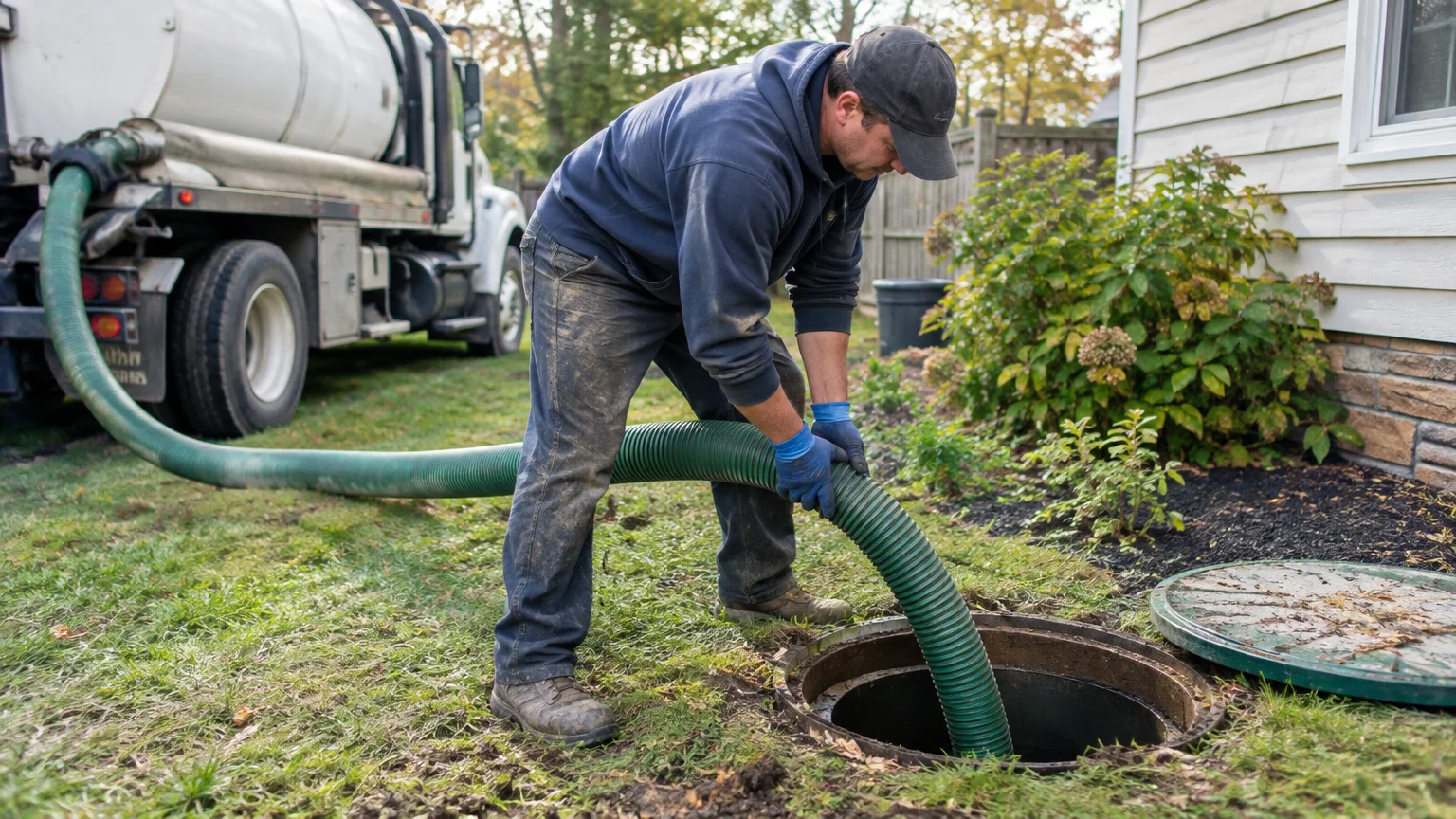
The work may take longer when the tank is hard to find, deeply buried, blocked, or under pavement. Larger tanks and heavy buildup can also change the work involved. Emergency timing and difficult access may affect the quote.
Ask what the service includes and whether inspection findings are explained. The final cost should be confirmed in a quote before extra work starts. Tank size alone cannot give a reliable answer.
How pumping compares with related septic repairs
Routine pumping is usually less involved than replacing a tank, repairing a collapsed pipe, or restoring a failed drain field. Septic tank replacement may require digging, disposal, permits, and new pipe connections. Drain field work may involve soil, design, grading, and local approval.
The phrase septic system replacement describes a much larger project than routine pumping. Tank replacement also depends on materials, access, site conditions, and needed connections. A professional assessment is the best way to compare options.
How can you prevent a septic tank from becoming too full?
A good prevention plan includes regular pumping, careful water use, fast leak repairs, and proper waste disposal. Property owners should also learn where the tank and drain field are located before trouble starts.
A practical maintenance and water-use routine
Use water steadily instead of sending a large amount through the system at once. Repair leaking toilets and faucets. Spread laundry across several days when possible, and use septic-safe cleaning habits.
Never flush wipes, paper towels, diapers, grease, paint, medicines, or harsh chemicals. A garbage disposal adds solids and may require more care. Keep gutters and sump pumps from sending extra water toward the drain field.
A useful routine includes:
- Keep records of pumping, inspections, repairs, and alarms.
- Protect the tank and drain field from vehicles and heavy structures.
- Check toilets and faucets for hidden leaks.
- Watch for odors, wet ground, slow drains, and gurgling.
- Arrange professional help when several warning signs appear together.
Warning signs that should not be ignored
One slow drain may have a simple household cause. Several slow fixtures, sewage odors, wet ground, and repeated backups suggest a wider system problem. Early attention can help limit damage to the home and drain field.
Septic Tank Pumping Knoxville helps property owners across Knoxville understand septic tank warning signs. Local soil, weather, system design, and property use can all affect how a septic system works in Knoxville.
Frequently Asked Questions
What is a septic tank?
A septic tank is a buried container that receives wastewater from a property. Solids settle, lighter material floats, and liquid leaves through an outlet toward a drain field. The tank is only one part of a septic system. Pipes, soil, pumps, and treatment areas must also work properly.
How deep is a septic tank buried?
A septic tank may be buried at different depths based on property layout, soil, tank design, and local rules. Some access lids are near the surface. Others are covered by more soil. A professional can locate the tank without unsafe guessing or digging.
What happens if a full septic tank is ignored?
Ignoring a full tank can lead to slow drains, sewage backups, odors, wet ground, and drain field damage. Solids may move into pipes or soil. Sewage can also create health and property risks. Prompt assessment helps show whether pumping alone will solve the problem.
How often should a septic tank be pumped?
There is no single schedule for every property. Tank size, household size, water use, garbage disposal use, and solids buildup all matter. A professional can recommend a routine after reviewing the tank and its history. Waiting for a backup is not a safe maintenance plan.
Can homeowners pump a septic tank themselves?
Homeowners can reduce water use, check simple leaks, record signs, and keep people away from sewage. They should not open or enter a septic tank. Toxic gases and low oxygen can cause sudden death. Pumping requires special equipment, training, and safe disposal practices.
Key Takeaways
- A full septic tank can cause slow drains, gurgling, odors, and sewage backups.
- Several affected fixtures often point to a septic system problem, not one sink clog.
- Reduce water use and keep people away from sewage until the system is checked.
- Pumping removes tank contents but cannot repair every pipe, pump, or drain field.
- Regular maintenance and early attention can help protect the septic system.
Conclusion
Knowing what happens when septic tank is full helps property owners act before a small warning becomes a major backup. A full tank may need pumping, but the cause could be a clog, broken pipe, failed pump, or drain field problem.
Homeowners can limit water use and check simple leaks themselves. They should leave tank access, sewage cleanup, and system repairs to trained professionals. Contact us to discuss the signs and arrange the right next step for your property.