Septic tank system installation cost depends on the land, system design, tank size, and work needed to prepare the site. Soil, equipment access, local rules, and materials also affect the job. A site visit helps show what the property needs, which system may fit, and what the final quote covers.
Installing a new septic system is a large project for many property owners. Planning starts with learning what the land needs, not choosing a tank based on size alone. The system must suit the soil, the building’s use, and local approval rules.
Septic Tank Pumping Knoxville can help property owners understand the steps involved in planning an installation. Every property is different, so this guide explains common cost factors and useful questions to ask before approving a quote. It also covers septic tank replacement and the care a new system may need.
Table of Contents
- What determines septic tank system installation cost?
- How does tank size affect installation cost?
- How does property access affect installation cost?
- How does septic system type affect installation cost?
- How does location affect septic installation cost?
- What should a septic installation quote include?
- When should you get a quote for a new septic system?
- Key takeaways
- Frequently Asked Questions
- Conclusion
What determines septic tank system installation cost?
Septic tank system installation cost depends on the land, system plan, tank, equipment access, and local rules. A site visit helps find out what the property needs before work starts. The final cost is confirmed in a quote based on that property and the planned work.
How do site conditions and soil affect the project?
Soil affects how wastewater moves from the tank into the drain field. A drain field is the part of the system that lets treated wastewater move into the soil. A trained professional checks the land and soil to see if they can support the planned design.
Some sites have thin soil, steep slopes, poor drainage, or little room. These conditions may mean more site work or a different system plan. A perc test, also called a percolation test, checks how quickly water moves through soil. Local officials may ask for soil or site tests before they approve a system.
An old septic tank can be hard to find if property records are missing. Owners can check for site plans or permit records, but should not dig to search. A professional can help find the existing system and check the site safely. This step can also help when planning septic tank replacement.
What parts of the installation contribute to the overall cost?
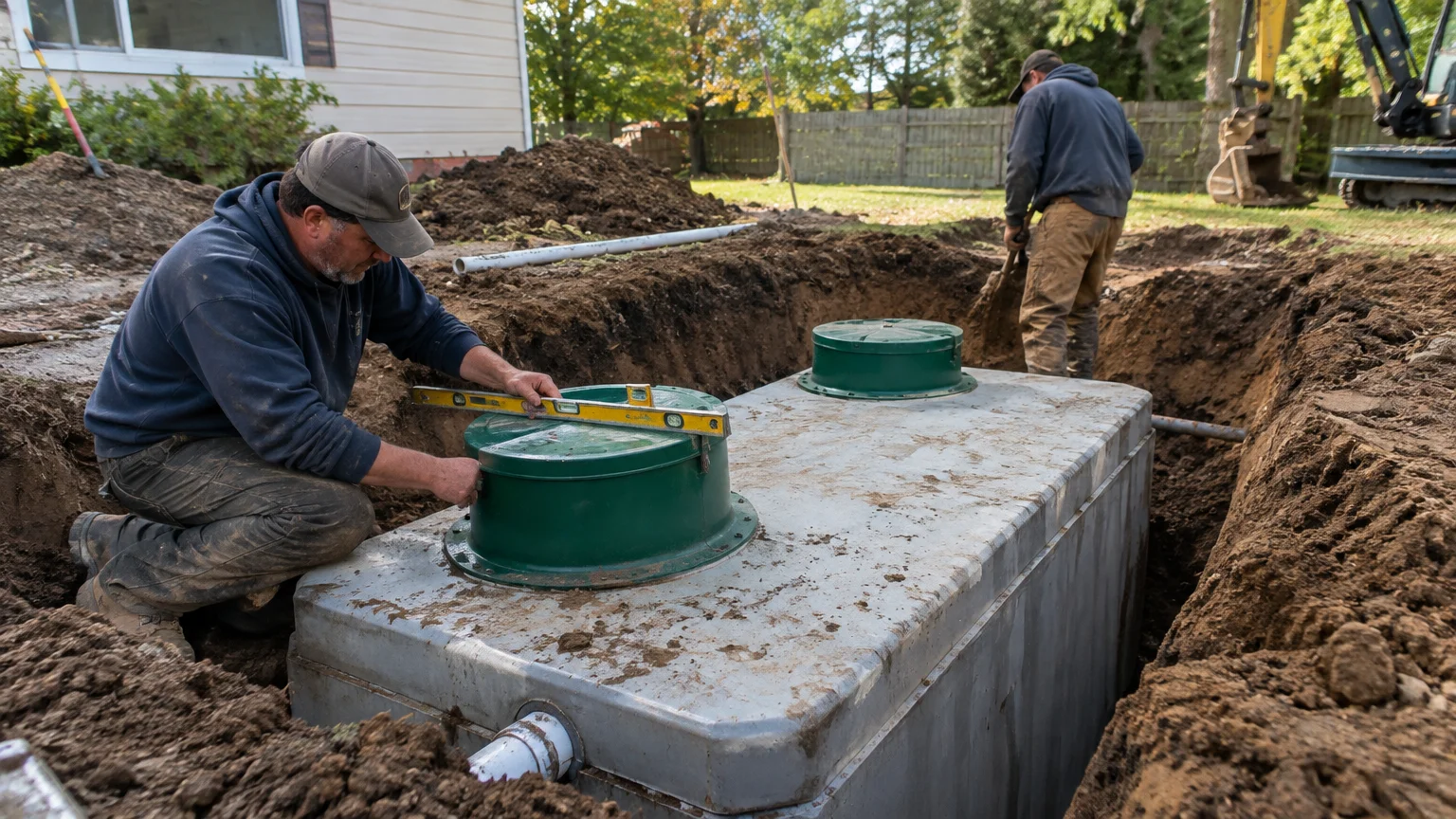
The full project may include planning, soil tests, permits, digging, the tank, pipes, a drain field, installation, and yard repair. Work may also include removing an old system or dealing with ground conditions that were not known at first. The approved design and the property determine which tasks are needed.
The quote should say which tasks are included and which are not. For example, fixing a lawn or driveway may be separate from installing the system. Ask Septic Tank Pumping Knoxville to explain how the site affects the planned work and final cost.
How does tank size affect installation cost?
Tank size affects materials, digging, and the space needed for installation. The right size depends on expected use and local design rules, not only on how many people live in the home. A qualified professional can review the property and help choose a suitable tank.
How do household size and water use shape tank requirements?
Household size is one useful guide, but daily water use matters too. A home with many guests or frequent laundry may use more water than a home with the same number of people. The design may also need to allow for future changes in how the property is used.
A septic system collects and treats wastewater from a home or building. The tank separates solids from liquid, and the drain field helps treat and spread the liquid in soil. The tank and drain field must work together. Choosing a tank without planning the full system may lead to a poor fit.
Share clear details about the home and its expected use during planning. This helps the designer think about household size, fixtures, and possible additions. Local rules may set tank or system requirements, so ask a professional to confirm which rules apply.
Why can a larger tank change excavation and installation needs?
A larger tank may need a wider or deeper hole and more room for equipment. Its size and weight can also affect delivery and placement. How much digging and yard repair is needed depends on the tank, the ground, and the route to the work area.
The depth of a buried tank depends on its design, site conditions, and local rules. The tank’s location and depth should be recorded so it can be found later. A septic tank riser is an extension that brings an access opening closer to the ground, which can make checks and service easier.
Owners do not need to dig, open, or clean a septic tank themselves. They can keep vehicles and heavy loads away from the tank and drain field. They can also watch for signs of trouble and arrange septic pumping when a professional advises it. Tank work and installation should be left to trained workers.
How does property access affect installation cost?
Property access affects the equipment and time needed for installation. A clear route helps machinery reach the work area. Tight turns, fences, trees, slopes, and nearby buildings may limit where equipment can go.
What happens when equipment has limited access to the site?
If large equipment cannot reach the work area, the plan may need different machines or extra handling. A narrow gate, small yard, or nearby building can make digging harder. The contractor should check the route before work begins and explain any access limits in the quote.
Owners can point out gates, buried utilities, wells, trees, and other features. They should also share any known easements or access rules. An easement is a legal right to use part of a property for a set purpose, such as reaching a work area.
Do not move fences or cut trees before checking what the job needs. Early changes may not solve the access issue and may create more work. A site visit helps the installer find practical options before work starts.
How can distance, slope, and landscaping affect the work?
A long route from the road to the work area may affect equipment delivery and material handling. A steep slope can change where the tank or drain field can go. Lawns, patios, walls, and driveways may need care or repair during the project.
The locations of the house, tank, and drain field matter as well. Pipes need a suitable path, and the system must fit the space available. Local rules may affect placement near a well, property line, or water feature.
Before work starts, ask which parts of the yard will be disturbed and how the area will look afterward. Taking photos of the yard and its features can help. The photos give you a simple record to compare with the finished work.
How does septic system type affect installation cost?
System type affects the design, materials, installation steps, and future care. A conventional system may suit some properties, while difficult soil or limited space may call for another approved design. A site and soil check helps show which options may work.
How do conventional and alternative systems differ in complexity?
A conventional septic system usually has a tank and a drain field planned for the site’s soil. An alternative system uses a different design or treatment method when a conventional plan will not fit or local rules require another approach. The land and required approvals help determine the right choice.
Some systems have extra parts that move or treat wastewater. These parts can affect installation and ongoing care. Ask what each part does, how it is checked, and whether it needs power or regular service.
The simplest-looking option is not always the right one. The system must fit the site and meet local rules. Ask the designer why they recommend a certain type and what care it will need over time. Good maintenance helps keep the system working as planned.
When might a property need a system designed for challenging conditions?
A property may need a special design if soil drains poorly, space is limited, the ground is steep, or groundwater is close to the surface. A high water table means groundwater sits near the ground’s surface. Local officials and trained professionals can say which designs are allowed.
These conditions do not always mean a property cannot have a septic system. They may mean the design needs extra parts or a different drain field layout. A failed perc test may lead to more review, but the result should be explained for that property and its local rules.
Do not assume an old system can be replaced in the same spot. Land use, local rules, and soil conditions may have changed. A new site check can help show whether repair, septic tank replacement, or a different system plan makes sense.
How does location affect septic installation cost?
Location affects the work through soil, weather, permits, local rules, and access to materials. Requirements may differ between nearby towns and counties. The installer should check the rules for the property before planning the work.
How can local soil, climate, and regulations influence the project?
Soil and weather affect how a site handles wastewater and when work can take place. Heavy rain, frozen ground, or wet seasons can change access and digging plans. A designer considers these factors along with the slope and soil test results.
Local health departments or other authorities may review plans, inspect work, or issue permits. They may set rules for tank placement, drain fields, and space from wells or property lines. Ask who will handle each approval and when it is needed.
Rules can change, so an old permit or plan may not show what is allowed now. Property owners in Knoxville should check the current rules for their own site instead of relying on another property’s design. Septic Tank Pumping Knoxville can explain which steps may be part of the project plan.
Why can material availability and permitting requirements vary by area?
Some materials or system parts may be easier to get in one area than another. Delivery distance and the chosen design can affect the work plan and timing. The quote should name the main materials and explain any likely wait for items needed for the job.
Permits also depend on location and system type. One authority may ask for more soil checks, while another may need different papers or inspections. The project team should explain which approvals are needed and who will send in the forms.
Ask whether the quote includes permit paperwork, permit charges, inspections, and changes needed after review. Find out what happens if an authority asks for a design update. Clear answers help you compare plans by the work they include, not only by the system name.
What should a septic installation quote include?
A septic installation quote should describe the system, site work, materials, permits, and tasks included. It should also list what is left out and explain how changes in site conditions will be handled. The final cost is confirmed on a quote for that property and the agreed work.
Which planning, permits, materials, and installation tasks should be itemized?
The quote should explain the main steps from the site check through installation. It should name the tank and system type, digging, pipes, drain field work, inspections, and any planned removal of an old system. If yard or surface repair is included, the quote should say so clearly.
Owners can check whether the quote covers:
- Site and soil checks, including any required tests.
- Design work, permit paperwork, and inspections.
- The tank, pipes, fittings, and other planned system parts.
- Digging, tank placement, pipe connections, and site repair.
- Removal or handling of an old system, if needed.
The list should fit the property and the known site conditions. If a task is not listed, ask if it is included before accepting the quote. A clear work plan helps you understand what the installation team will do.
What exclusions and site conditions should property owners clarify?
Ask what may change the work, such as buried rock, hidden utilities, poor soil, or an old tank found during digging. The quote should explain how the team will discuss a change before doing extra work. Ask who will find private utility lines, too.
Check whether the quote includes permit charges, inspections, lawn repair, and work on driveways or fences. These tasks may be handled by different people. Sorting them out early can help prevent confusion once installation begins.
A useful quote should also explain the system’s expected care. Ask which parts need routine checks and how to arrange service. Septic maintenance includes sensible water use, keeping heavy loads off the drain field, and following the maker’s care advice. Pumping needs depend on the system and household, so ask a professional when service may be needed.
When should you get a quote for a new septic system?
Ask for a quote early when buying land, building, adding to a home, or dealing with a failing system. Early planning leaves time for site checks, design, permits, and changes if the first plan does not fit. Do not wait for wastewater to back up before asking about replacement.
What property or project changes make early planning important?
A new home, added bedroom, change in property use, or planned split of land can affect septic needs. A system that worked for one use may not suit a larger household or business. Check with local officials before work that could change wastewater use or system placement.
Sewage smells, wet ground near the drain field, or slow drains across the home need prompt attention. These signs do not prove the tank must be replaced. A professional can check the system and explain whether pumping, repair, or a new installation may be needed. If wastewater is backing up, ask about emergency pumping and safe next steps.
When buying a home, ask for septic records and find out where the tank and drain field are. Do not assume the system is sound just because the yard looks dry. A professional check can help explain its condition and what may need attention.
What information should you gather before requesting a site assessment?
Gather property plans, old permits, inspection notes, and records of past septic work. Note the home’s size, expected use, planned additions, and any known water or drainage problems. These details help the professional understand the job before visiting.
If a tank is already on the property, share its known location and service history. Do not open it or dig to find it. Septic tanks can contain dangerous gases, and covers may be unsafe to handle. A trained professional should find and inspect the tank.
The site check should explain likely system choices, tests or permits needed, and any details still unknown. Ask how the plan fits the soil and land. This gives you a clear starting point for reviewing the written quote.
Key takeaways
- Soil, tank size, system type, access, and local rules shape installation work.
- A site check helps match the system to the land and expected use.
- A quote should list included tasks, materials, approvals, and exclusions.
- Owners can protect the drain field and keep records, but should not dig or open a tank.
- Early planning helps with building, home purchases, and septic tank replacement.
Frequently Asked Questions
What is a septic tank?
A septic tank is a sealed container that collects wastewater from a home or building. Solids settle inside, while liquid moves toward a drain field for more treatment in soil. The tank is one part of a larger system, so its size and place must suit the property and expected use.
How deep is a septic tank buried?
There is no one depth for every septic tank. Its position depends on the design, property, and local rules. Owners can check site plans or permit records to find its location. If records are missing, ask a professional to find it; do not dig to search.
What is a septic tank riser?
A septic tank riser is an extension over an access opening. It brings the opening closer to the ground, which can make checks and service easier. A professional can confirm whether a riser will fit the tank and install it safely. Owners should not open a tank themselves.
How can someone find a buried septic tank?
Start with property records, permits, and old site plans. They may show where the tank and drain field are. If those records are not available, a septic professional can use suitable tools to help find the system. Do not probe or dig, since pipes, utility lines, and tank covers can be dangerous.
When should a septic tank be pumped?
Pumping time depends on tank size, household use, system condition, and local advice. One schedule does not fit every property. A septic professional can check the tank and suggest a plan. Keep service records, watch for trouble, and do not wait for a backup.
Conclusion
A new septic system must fit the property, its soil, and the way the building will be used. Tank size is only one part of the plan. Access, system type, local approvals, and site repair can also shape the work and final quote.
Gathering property records and arranging a site check early can make choices clearer. Septic Tank Pumping Knoxville helps property owners understand installation needs and the next steps. Knoxville property owners can Contact us to discuss a site assessment. Learn more about Septic services or visit Septic Tank Pumping Knoxville for more information.
If you are not sure what you are dealing with, it is worth having someone look at it before it turns into a bigger job. Find out more about our septic tank installation and replacement in Knoxville. Get in touch with Septic Tank Pumping Knoxville today and we will tell you where you stand.