When asking is Drano septic tank safe, the safest choice is usually to avoid it when a plunger or drain snake can clear the clog. Read the exact product label, since formulas differ. Chemical cleaners may affect pipes, helpful tank bacteria, or a blockage that needs a larger repair. Mechanical methods are often the better first step.
Table of Contents
- Is Drano septic tank safe?
- What happens when Drano enters a septic system?
- Can Drano harm septic tank bacteria?
- Does Drano damage septic pipes or tank components?
- Is liquid Drano safer than other drain cleaners for septic systems?
- What should you use instead of Drano for a slow drain?
- How can you unclog a septic-system drain without chemicals?
- What should you do if you already poured Drano down the drain?
- Which common drain products should septic owners avoid?
- How do you protect a septic system from drain problems?
Is Drano septic tank safe?
Drano is not the best first choice for a home with a septic system. Always read the exact label for the product you have. Follow every direction and warning. A label may allow a certain use, but that does not mean the cleaner is right for every pipe, clog, tank, or repeated use.
A septic system treats wastewater in stages. Wastewater flows from the home into a buried tank. Solids settle at the bottom, oils float, and liquid flows toward the drainfield. Helpful microbes break down some waste during this process.
Drano uses strong chemicals to loosen or break down some clogs. These chemicals may move through the drain and enter the septic tank. One use may not cause a clear failure, but regular use can add risk when a mechanical fix may work.
What the product label and septic guidance indicate
The product label is the first place to look. Check the exact bottle instead of relying on a general claim about the Drano brand. Different products may use different ingredients. They may also have different warnings and use limits.
The U.S. Environmental Protection Agency’s septic system guidance tells homeowners to keep harmful chemicals out of septic systems. It also advises people to keep toxic materials out of household wastewater when possible.
The label cannot tell you what caused a clog. It also cannot show whether your tank is full or your drainfield has a problem. If the same drain stays slow, the cause needs to be found.
The short verdict for septic system owners
The simple answer is this: avoid Drano when a plunger, drain snake, or other mechanical tool can solve the problem. Septic Tank Pumping Knoxville can help when a drain stays slow or several drains act up together.
One accidental use does not always mean the tank needs immediate septic pumping. The next step depends on the product, amount used, drain location, clog location, and age of the system. Watch for changes and avoid adding more chemicals.
What happens when Drano enters a septic system?
Drano first moves through the home’s drain line. If it does not clear the clog, some of the product may stay in the pipe. If the clog opens, water and chemical residue may travel toward the septic tank.
This matters because the cleaner does not stop at the drain opening. A product used in a sink, tub, shower, or bathroom drain may reach the same tank. The tank receives wastewater from many parts of the home.
How chemical drain cleaners work inside plumbing
Chemical drain cleaners use active ingredients that react with hair, grease, soap, and other buildup. Some products create heat. Others break down organic material around the clog.
This reaction may open a narrow path. It may also leave heat, fumes, and harsh residue. Caustic means able to burn skin, eyes, or living tissue. A product that seems simple still needs careful handling.
The reaction may not remove the whole blockage. A drain may work for a short time while material remains farther down the line. The same clog may return later. It may then be harder to find.
What reaches the septic tank afterward
When water flows again, chemical residue may move with it. The amount that reaches the tank depends on the product, water flow, clog location, and amount used.
The tank receives more than liquid. It also receives bacteria, soap, grease, and household waste. Strong chemicals can change this mix. One use may not destroy the whole system, but repeated use is poor septic maintenance.
If several drains slow down after chemical use, the problem may be in the main building sewer or tank inlet. More cleaner will not fix a full tank, blocked baffle, damaged pipe, or drainfield issue. Emergency pumping may be needed when wastewater is backing up, but a professional must first identify the cause.
Can Drano harm septic tank bacteria?
When asking “is Drano septic tank safe,” homeowners should check the exact product label. They should also ask a septic professional when the product has entered a blocked drain. The effect depends on the product and the amount that reaches the tank.
A septic tank is more than a storage box. It is part of a living treatment system. Microbes help break down some waste before liquid leaves the tank. The drainfield then receives partly treated wastewater.
Why beneficial bacteria matter
Helpful bacteria live in the waste and liquid inside the tank. They help break down some solids and organic matter. This process does not remove every pollutant, but it supports normal tank use.
Bacteria enter the system through normal household waste. Most working homes do not need special additives. The EPA explains that septic additives are generally not needed and may not improve system performance.
A healthy system also needs steady water use. Large bursts of water can move solids before they settle. Harsh products add another strain to a system that depends on a stable balance.
How chemical exposure may affect treatment
A strong chemical may kill or reduce some microbes near the point where it enters the tank. The tank may recover after a small exposure, especially when it is working well. Repeated chemical discharges create more concern.
Watch for slow drains, sewage smells, wet ground, or wastewater backing up. These signs do not prove that Drano harmed the bacteria. They show that the system needs a proper check.
Septic Tank Pumping Knoxville helps Knoxville property owners sort out whether the issue is a household clog, building sewer problem, or needed septic tank pumping. Finding the cause is safer than adding more chemicals without a plan.
Does Drano damage septic pipes or tank components?
Check the exact Drano label for pipe materials, use limits, and warnings. Risk depends on the formula, contact time, pipe material, pipe condition, and clog location.
Older homes may have pipes with weak joints or corrosion. A chemical may pass through a sound pipe without a clear problem. A pipe with cracks, soft seals, or heavy buildup may be more at risk.
Risks to household plumbing
Strong drain cleaners may create heat as they react. That heat can stress some plastic pipes, seals, and fittings. A chemical may also sit in the line when the clog does not open.
A plunger or drain snake usually removes a blockage without adding corrosive liquid. These tools do not solve every problem, but they avoid exposing people and plumbing to harsh chemicals.
Never mix Drano with bleach, toilet cleaner, acids, or another drain product. Mixing cleaners can create dangerous gas or a strong reaction. Anyone who has mixed products should leave the area and follow the emergency directions on the label.
Potential effects on seals, baffles, and tank materials
The tank has parts that guide wastewater. These parts help keep floating scum and settled solids in place. Inlet and outlet baffles are examples. Seals and pipe joints also help control flow.
Chemical exposure may not harm every tank material. A homeowner usually cannot see what is happening inside a buried system. A blocked inlet, broken baffle, or damaged line needs a direct check instead of another dose of cleaner.
A septic professional may check the tank, access points, liquid level, and visible parts. The inspection depends on the symptoms and system design. Routine maintenance can help find small issues before they cause a backup.
Is liquid Drano safer than other drain cleaners for septic systems?
Liquid Drano is not automatically safer than every other drain cleaner. The answer depends on its exact formula and directions. A liquid product may work differently from a gel, crystal, foam, or enzyme product, but every label needs careful review.
The words septic-safe can also cause confusion. They may describe use under certain conditions. They do not promise that a product will protect an old pipe, clear a deep clog, or solve a septic tank problem.
How formulas and active ingredients differ
Drain cleaners may contain caustic substances, oxidizers, acids, solvents, or other active ingredients. Caustic substances can burn tissue. Oxidizers can react strongly with some organic materials and other chemicals.
Read the warnings, first-aid steps, and mixing rules. Check whether the product is made for a certain drain type. A cleaner made for a sink may not be right for a toilet or septic concern.
A label cannot diagnose a clog. It only explains how to use that product. If the same drain keeps slowing, the cause may be hair, grease, roots, a damaged line, or a septic problem.
Why a septic-safe label needs careful interpretation
A septic-safe label does not remove the need for care. Septic systems work best when they receive normal household wastewater instead of a steady stream of harsh chemicals.
If a homeowner uses a labeled product once, the directions should be followed closely. Never mix it with anything else. Watch the drain and other fixtures afterward. A return of the problem is a reason to stop using chemicals and find the cause.
In Knoxville, homes in Bearden, Fountain City, and nearby areas may have different pipe and septic layouts. Septic Tank Pumping Knoxville can help explain whether a slow drain sounds like a small plumbing issue or a problem that needs septic service.
What should you use instead of Drano for a slow drain?
For a small clog in one fixture, a plunger or hand drain snake is usually a better first step than Drano. These tools move or remove the blockage. They do not send corrosive liquid into the septic system.
The right tool depends on the fixture. A sink plunger works best when the drain opening is covered and enough water makes a seal. A toilet needs a toilet plunger with the right shape. A small hand snake may help with hair near a bathroom drain.
Mechanical methods for clearing minor clogs
Homeowners can try these steps when the drain is slow but not overflowing:
- Remove and clean the visible stopper, screen, or hair catcher.
- Use the correct plunger with steady, controlled pressure.
- Try a hand drain snake for a short, reachable blockage.
- Clean the trap only when you can do so safely.
- Test the drain with plain water after the blockage clears.
Stop when the tool meets strong resistance or water backs up into another fixture. Forcing a tool can damage a pipe or push the blockage deeper. A homeowner does not need a professional for every small clog, but repeated problems need more care.
Safer household habits for preventing buildup
Hair, grease, food scraps, wipes, and paper products can create drain problems. Let kitchen grease cool, then place it in household waste. Use a sink strainer to catch food particles.
Flush only human waste and toilet paper. Do not flush wipes, paper towels, cotton products, medicine, or cleaning rags. These items can clog building sewer lines and place more strain on a septic system.
Good habits do not replace septic pumping. They simply reduce avoidable drain trouble between service visits. They are also a useful part of long-term maintenance.
How can you unclog a septic-system drain without chemicals?
A homeowner can often try a plunger or small drain snake for a simple local clog. Professional help is better when more than one fixture is slow, sewage backs up, or the blockage returns soon after clearing.
The goal is to learn where the trouble is. One slow sink may have a nearby clog. A slow toilet, tub, and sink at the same time may point to a larger line or septic issue.
When to use a plunger or drain snake
Use a plunger when the water level is safe and the drain opening is clear. Cover nearby overflow openings when needed. This helps pressure move toward the clog. Work slowly and keep the tool stable.
A hand snake may help with hair or soft buildup near a drain. Wear gloves and eye protection. Clean the tool after use. Store it away from children and pets.
Do not use a drain snake after pouring chemical cleaner into the line unless a trained professional says the line is safe. The chemical may splash back and burn skin or eyes.
When professional drain cleaning is the better option
Professional help is wise when a drain problem affects several fixtures, causes sewage smells, or returns often. It is also wise when the home has an unknown septic layout or a history of backups.
A professional can check whether the issue is inside the home, in the building sewer, or at the septic tank. Drain cleaning and septic pumping are different services. Clearing a pipe will not fix a full tank, failed pump, or blocked drainfield.
Septic Tank Pumping Knoxville serves property owners throughout Knoxville and can help determine which service fits the symptoms. A prompt check may help prevent damage that could later require major repairs or septic tank replacement.
What should you do if you already poured Drano down the drain?
If you already used Drano, stay calm and avoid adding another product. Do not mix it with bleach, vinegar, toilet cleaner, ammonia, or another drain opener. Read the label and keep the container available for a professional.
Ventilate the area when it is safe. Keep children and pets away. Skin or eye contact requires the first-aid steps on the label. Serious exposure or trouble breathing needs emergency help.
Immediate steps to limit exposure
Do not plunge or snake the drain until the chemical has been removed or a professional confirms the line is safe. A tool can force liquid back toward the person using it.
Do not pour large amounts of water into a fully blocked drain. Water may cause an overflow and spread the chemical. If the drain is open and the label gives rinsing directions, follow those directions carefully.
Write down the product name, amount used, time of use, and affected fixture. This information helps a plumber or septic professional choose safe next steps.
When to contact a septic professional
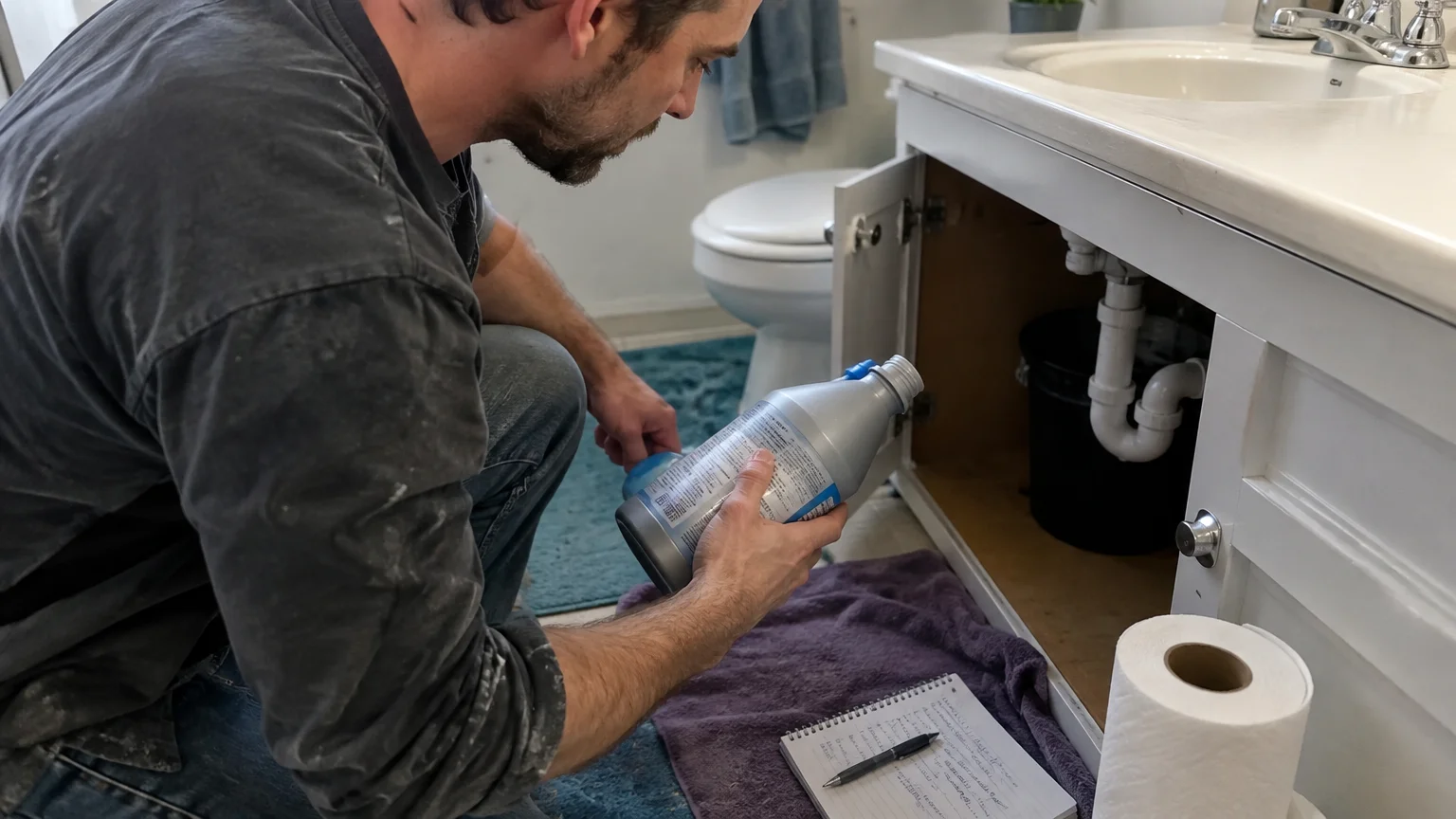
Contact a professional when the drain remains blocked, several fixtures are affected, or wastewater backs up. Seek help sooner when the home has a sewage smell, wet ground near the tank, or a history of septic trouble.
A professional may ask whether the product reached the tank. The answer depends on the drain, water flow, and blockage. The next step may be drain work, an inspection, septic pumping, or careful monitoring.
One use does not automatically mean the homeowner needs septic tank replacement. The system should be judged by its condition and symptoms, not fear alone.
Which common drain products should septic owners avoid?
Septic owners should avoid regular use of harsh chemical cleaners. This is especially true when a mechanical tool can handle the clog. Products that claim to dissolve hair, grease, or roots may still contain ingredients that burn skin or stress plumbing.
Homeowners should also avoid products that claim to repair a septic tank without finding the cause. No bottle can repair a cracked tank, broken baffle, crushed pipe, or failing drainfield.
Chemical cleaners and corrosive ingredients
Never mix a drain cleaner with another household product. Acidic cleaners, bleach, ammonia, and caustic openers can react in dangerous ways. Do not guess about chemical safety.
Use only products that match the fixture and label directions. Even then, occasional use should not become the home’s main drain plan. A repeated clog needs a diagnosis.
Septic additives also need care. Most working systems receive the bacteria they need through normal waste. Added products may not improve treatment. They can also make it harder to understand what is happening inside the tank.
Items that should never enter household drains
The following items can cause clogs, pipe damage, or septic stress:
- Flushable or disinfecting wipes, even when the package says they can flush.
- Grease, cooking oil, and thick food scraps from the kitchen.
- Paper towels, tissues, diapers, and cotton products.
- Paint, solvents, pesticides, and other harmful household chemicals.
- Medicine and personal care products that do not belong in wastewater.
- Cat litter, coffee grounds, and yard waste.
Local disposal rules may differ. Property owners in Knoxville can check local guidance for hazardous waste and medicine disposal. These items should not be sent into a septic system.
How do you protect a septic system from drain problems?
Protecting a septic system starts with simple habits, careful water use, and timely service. Fix leaking fixtures. Keep grease out of drains. Use strainers where food or hair may enter.
Know where the tank and drainfield are located. Clear records help future owners, tenants, and service workers avoid damage. A local health office or property file may have permits, site plans, or septic records.
A perc test is a soil test that shows how well water moves through soil. It can help with septic planning, but it does not replace pumping or service. People buying a property should ask for system records and a qualified inspection.
Key takeaways
- Drano is not the best first choice for a septic home.
- A plunger or drain snake is often safer for a small local clog.
- Never mix drain cleaners or use a tool after chemical cleaner without safety guidance.
- Several slow fixtures may point to a main line or septic problem.
- Regular pumping, careful disposal, and prompt repairs help protect the system.
When septic tank pumping or an inspection may be needed
Septic pumping removes settled solids and floating scum from the tank. It does not clear every household drain clog. An inspection checks the tank, pipes, baffles, liquid levels, and visible signs of damage.
The right service depends on the symptoms and the system’s history. A full tank may cause backups. A blocked line may cause similar signs. A damaged drainfield may cause wet soil or sewage smells outside.
Septic Tank Pumping Knoxville can help property owners understand the next step for a slow drain or septic concern. Contact us to discuss the symptoms and arrange the right septic service.
Frequently Asked Questions
Is Drano septic tank safe for occasional use?
A product label may allow use in a septic home, but occasional use is not risk-free. The cleaner can affect plumbing, remain in a blocked line, or reach the tank. A plunger or drain snake is usually a better first choice. Follow the exact label and never mix products.
What is a septic tank?
A septic tank is a buried container that receives wastewater from a property. Solids settle, floating material rises, and liquid leaves through an outlet toward the drainfield. Bacteria help break down some waste inside the tank. The tank still needs inspection and pumping to remove buildup.
What is a septic system?
A septic system treats household wastewater on the property. It usually includes a tank, inlet and outlet pipes, a drainfield, and soil. The tank settles solids, while the drainfield receives liquid for more soil treatment. A problem in any part can cause slow drains or backups.
How deep should a septic tank be?
Septic tank depth varies by tank design, soil, property grade, and local installation rules. A homeowner should not dig to find one. Digging can damage the tank or pipes. Septic records, locating tools, and a trained professional are safer ways to find access points.
How can someone find septic tank records online?
Records may be held by a county health office, environmental office, building department, or local records portal. Files can include permits, site plans, and inspection notes. Confirm that a record matches the current home because systems and additions may change over time.
If you are unsure what is causing the trouble, have the system checked before it becomes a larger problem. Get in touch with Septic Tank Pumping Knoxville to discuss the next step.
If you are not sure what you are dealing with, it is worth having someone look at it before it turns into a bigger job. Get in touch with Septic Tank Pumping Knoxville today and we will tell you where you stand.