Septic tank designs affect how wastewater settles, gets treated, and moves to the drainfield. The main choices are gravity systems and alternative systems. The right choice depends on soil, slope, property use, local rules, and care needs. Warning signs may point to poor design, damage, or missed maintenance.
Table of Contents
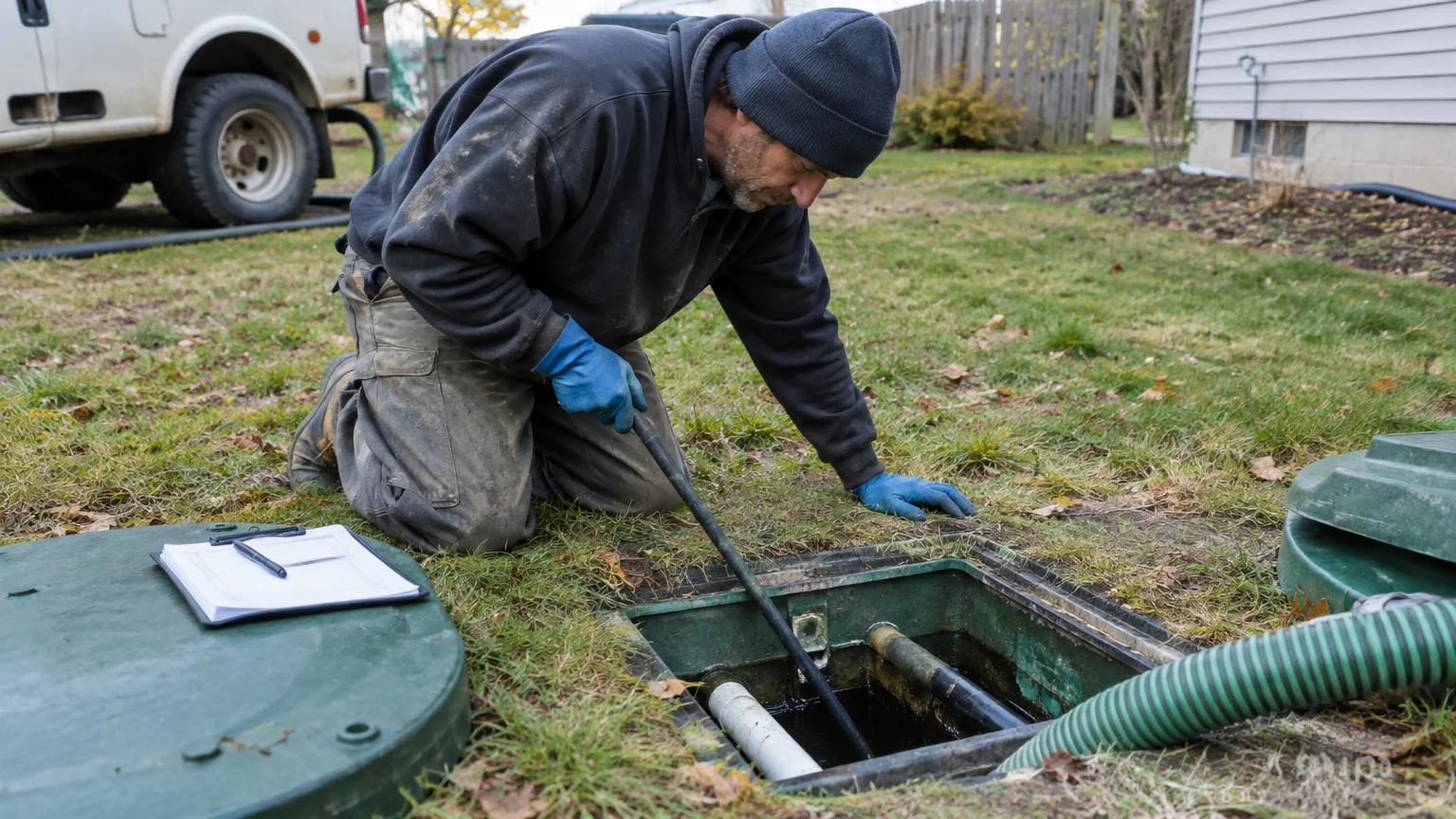
- What are the main septic tank designs?
- How can septic tank design affect system performance?
- What does a septic system warning sign mean?
- What causes septic tank design-related problems?
- What should you do when a septic system shows signs of failure?
- When is a septic system problem urgent?
- How can property owners choose and maintain the right septic tank design?
- Frequently Asked Questions
What are the main septic tank designs?
Septic tank designs fit into two main groups: gravity systems and alternative systems. Both types collect wastewater in a buried tank. The main difference is how water gets treated and how it reaches the drainfield.
Conventional gravity septic systems
A conventional system has a septic tank, an outlet pipe, and a drainfield. Wastewater enters the tank by gravity. Heavy solids settle at the bottom as sludge. Fats and oils rise to the top as scum. The liquid layer in the middle leaves through the outlet pipe.
The drainfield is also called a leach field. It spreads treated wastewater through the soil. The soil removes many harmful materials before water moves farther underground. This design works best when the soil, groundwater level, slope, and lot size meet local rules.
A septic tank is a buried container that separates solids from liquid waste. A septic system includes the tank, pipes, drainfield, soil, and other parts. This difference matters because a problem may be outside the tank.
Alternative septic tank designs and treatment systems
Alternative systems may use pumps, filters, air, pressure lines, or added treatment units. They can help on lots with shallow soil, high groundwater, little space, steep slopes, or hard soil. Some need power and more regular checks than gravity systems.
A septic designer or local health department usually helps choose the system. Septic Tank Pumping Knoxville can help Knoxville property owners learn what questions to ask before an inspection or service visit. A design that works on one lot may fail on another because site conditions are different.
Some properties also need special alarm systems or pumps. These parts help move wastewater when gravity cannot do the work. They must stay in good condition so the system can keep working during normal use.
How can septic tank design affect system performance?
Design affects how much wastewater a system can handle. It also affects how evenly water reaches the soil. A good design matches the home, soil, lot, and water use. A poor match may cause slow drains, odors, wet ground, or early failure.
Drainfield layout, soil, and site conditions
The drainfield needs enough room and the right kind of soil. Soil that drains too slowly may hold wastewater near the surface. Soil that drains too fast may not give water enough treatment. A perc test, or percolation test, checks how fast water moves through soil. A local professional or health department usually explains who can perform it.
The drainfield also needs protection from cars, sheds, pools, large trees, and heavy grading. Heavy soil can slow water movement. Tree roots can enter broken pipes or disturb the field. Water from roofs and driveways should flow away from the drainfield.
Rain can also affect system performance. A saturated field may accept less wastewater for a short time. This does not always mean the design is wrong. Still, repeated wet areas need a proper check.
Tank materials, capacity, and access
Concrete, fiberglass, and plastic tanks each have different strengths. Concrete tanks are heavy and strong, but they may crack or shift. Plastic and fiberglass tanks resist some types of damage, but they may move when groundwater pressure is high. Soil and local rules help guide the best choice.
Tank size should match expected water use. A home with many people, regular guests, or high-flow fixtures may put extra stress on a small system. Easy access also matters. Buried lids make septic pumping and checks harder. Broken or unsafe covers create a serious danger.
Good access helps owners keep up with maintenance. It also helps a worker find problems before they spread. Property owners should keep a simple map of the tank, lids, pipes, and drainfield.
What does a septic system warning sign mean?
A warning sign means wastewater may not be moving, settling, or getting treated as it should. One symptom does not prove that the tank has failed. Several signs together deserve quick attention, especially near the tank or drainfield.
Slow drains, backups, and sewage odors
Slow drains throughout a property may point to a full tank, blocked pipe, or failing drainfield. One slow sink often has a local clog instead. Toilets that gurgle when another fixture runs may show a problem with air or wastewater flow.
Sewage odors near the tank, cleanout, or drainfield may mean gases are escaping. They may also mean wastewater is reaching the surface. A damaged lid, blocked vent, broken pipe, or full tank can cause odors.
Owners should not open a tank without proper training. Septic gases can harm people. Tank openings can also cause falls. A trained worker should check the tank and its parts.
Wet spots, standing water, and unusually green grass
Wet ground over a drainfield may mean the soil cannot accept wastewater. Standing water with a sewage smell is more serious than normal rainwater. Grass that looks much greener in one area may show that wastewater and nutrients are reaching the surface.
These signs can also come from watering, rain, a broken water line, or poor yard drainage. The place and timing matter. Septic Tank Pumping Knoxville can help property owners compare likely septic causes with other possible causes during an evaluation.
Do not walk through sewage or let pets enter the area. Keep children away from wet ground until the cause is known. Mark the area without digging around the tank or field.
What causes septic tank design-related problems?
The cause is often a flow or care problem, not a completely wrong design. Problems may grow slowly. The first clear sign may appear long after installation. An inspection can help rank the causes instead of relying on one symptom.
Most likely causes ranked by probability
Common causes include missed septic pumping, heavy water use, a blocked outlet filter, a clogged pipe, or damage near the tank. These issues can slow flow and make a healthy system act like a failing one. Heavy rain can also fill the soil and reduce drainfield flow.
Other causes include flushing wipes, pouring grease down drains, using harsh chemicals often, or driving over the drainfield. These habits may damage pipes, add solids, or harm the soil. They may not cause failure right away, but repeated stress can shorten system life.
Laundry can add a large amount of water at once. Spread-out loads are easier on many systems. Fixing leaking toilets and faucets also helps limit extra flow.
Less common design, installation, and maintenance issues
Less common problems include a tank that is too small, poor drainfield placement, crushed pipes, a failed pump, tank settlement, or groundwater entering the system. An older system may not have newer parts. That does not always mean a septic tank replacement is needed.
A design problem should be confirmed with records, measurements, and site checks. Owners should not assume that septic pumping will solve every issue. Pumping removes stored solids. It does not repair damaged soil, broken pipes, or failed pumps.
A system may also have a problem after landscaping work. Added soil, new driveways, or changed drainage can affect the field. Keep permits and repair records so future workers can understand what changed.
What should you do when a septic system shows signs of failure?
The first step is to reduce water use and keep people away from sewage. Keep children and pets away from wet areas. Do not drive over the tank or drainfield when the soil is soft.
Immediate steps to protect the property
Use water only for important needs until the cause is known. Avoid several laundry loads, long showers, and large water use at one time. Do not pour drain chemicals into the system. Keep tank lids closed and mark unsafe areas without digging.
Property owners can safely note symptoms themselves. They can check for slow drains, wet spots, odors, and recent changes in water use. They should not enter the tank, move heavy covers, or dig into pipes.
Write down the date, place, smell, weather, and type of symptom. Photos can show wet areas or unusual grass growth. A written record helps compare changes after septic pumping, repairs, or an inspection.
Information to gather before a professional inspection
Useful records include the tank location, pumping history, permits, inspection reports, repair records, and household size. Owners should note recent additions, landscaping work, heavy rain, plumbing changes, or unusual water use.
A professional may check the tank, baffles, outlet filter, pipes, pump, alarms, and drainfield. The visit may also include a search for leaks or surface wastewater. These checks help show whether the next step is pumping, repair, drainfield review, or a wider system check.
First-time buyers should ask for system records before closing. Investors and landlords should check access and past service work. Tenants should tell the property owner about backups, odors, or wet ground as soon as possible.
When is a septic system problem urgent?
A septic problem is urgent when sewage reaches the surface, backs up indoors, creates a fall risk, or may affect a well or waterway. Quick action protects health and limits damage. Waiting can spread wastewater into soil, yards, crawl spaces, or nearby water.
Health and environmental hazards that need prompt attention
Raw sewage can contain harmful germs. Do not touch it, and keep pets away. Anyone working near dirty water should follow local health guidance and use proper safety gear.
Urgent warning signs include sewage inside the home, wastewater near a well, strong sewage odors indoors, a flooded pump area, or a damaged tank lid. Never enter a septic tank. Dangerous gases and low oxygen can cause death without warning.
Emergency pumping may be needed when sewage is backing up or the tank is full. Pumping still may not fix a failed pipe, pump, or drainfield. A proper check is needed to find the cause.
When pumping, repairs, or a full system evaluation may be needed
Pumping may help when a tank has too much sludge or scum. It will not correct every problem. A blocked line, broken baffle, damaged pump, saturated drainfield, or poor site design may need separate work.
A full system evaluation makes sense when symptoms return soon after pumping. It may also help when several parts show problems or a property is being bought or sold. Local rules may require an inspection during a property transfer.
Septic Tank Pumping Knoxville serves the main Knoxville area, including Bearden, Fountain City, nearby neighborhoods, and surrounding communities. The team can help owners understand the next step instead of guessing.
How can property owners choose and maintain the right septic tank design?
The right system starts with a site review, not tank size alone. Owners should consider soil, slope, groundwater, space, household use, power needs, and future changes. A qualified designer should explain how each part works and what care it needs.
Questions to ask before installing or replacing a system
Property owners should ask:
- Which system types fit the soil and lot?
- How will the drainfield stay safe from traffic and runoff?
- Does the system need power, alarms, filters, or pumps?
- Where are the tank, lids, pipes, and drainfield located?
- Which records and permits should the owner keep?
- Which warning signs need quick service?
Owners should also ask how the design handles expected water use. A first-time buyer may want a septic inspection before closing. Investors and landlords should confirm access, service records, and local rules before planning changes.
If the system needs replacement, ask why. The cause may be a damaged part instead of the whole system. A clear review can help separate septic tank replacement from a smaller repair.
Maintenance practices that help prevent future failure
Regular pumping based on water use, tank size, and solids buildup helps keep solids out of the drainfield. Follow the schedule advised by a qualified professional. Do not rely on a calendar alone because homes use different amounts of water.
Only human waste and toilet paper should go down the toilet. Grease, wipes, paint, chemicals, medicine, and litter belong elsewhere. Keep heavy equipment, deep-rooted plants, and new structures away from the drainfield.
Homeowners can safely spread laundry loads, fix leaking fixtures, protect tank covers, and keep records. They should call a trained professional for tank checks, blocked lines, pump faults, sewage backups, and drainfield concerns.
Key takeaways
- Septic tank designs must match soil, slope, groundwater, and water use.
- Slow drains, odors, wet spots, and green grass can signal trouble.
- Septic pumping removes solids but cannot fix every system problem.
- Sewage backups and surface wastewater need quick attention.
- Good records and safe maintenance help protect the full system.
Conclusion
A septic system works as one connected unit. The tank, pipes, soil, drainfield, and care plan all matter. When warning signs appear, early action can limit damage and help find the real cause.
Septic Tank Pumping Knoxville helps property owners understand septic concerns across Knoxville and nearby communities. Contact us to discuss a septic system concern or arrange the next suitable service step.
Frequently Asked Questions
How deep should a septic tank be?
A septic tank is usually buried deep enough to protect the tank and pipes. The lids should still be reachable for checks and pumping. Exact depth depends on the design, soil, slope, frost conditions, and local rules.
Owners should never dig blindly. Buried utility lines may be nearby. Tank openings can also be unsafe. Ask a qualified professional to locate the tank before digging.
What is a septic tank?
A septic tank is a buried container that receives wastewater from a building. Heavy solids settle, lighter material floats, and liquid leaves for the drainfield. The tank does not clean wastewater fully by itself. The soil and drainfield provide much of the remaining treatment.
Who performs a perc test?
A perc test is usually arranged through a qualified soil professional, septic designer, engineer, or other person approved by the local health department. Rules differ by area. The local authority can explain who may perform the test and what papers are needed.
The results help show which septic tank designs may work on a lot. They may also affect drainfield size and placement. Owners should keep the results with other system records.
How do you spell cesspool?
The word is spelled cesspool. A cesspool differs from a modern septic system. It usually lets wastewater seep through the sides or bottom without the same tank-and-drainfield design.
Local rules may limit cesspools. Owners of older properties should ask the local health department about the system before making changes.
How can owners tell when a septic tank needs pumping?
Warning signs may include slow drains, sewage odors, backups, or wet ground near the drainfield. Some tanks show no clear sign before trouble begins. Pumping needs depend on tank size, household use, solids buildup, and local guidance.
A qualified professional can inspect the tank and suggest the next step. In some cases, pumping helps. In others, the system may need a repair, drainfield review, or full evaluation.
If you are not sure what you are dealing with, it is worth having someone look at it before it turns into a bigger job. Get in touch with Septic Tank Pumping Knoxville today and we will tell you where you stand.