Septic tank upkeep helps waste move safely through a private wastewater system. It includes careful water use, simple home checks, regular septic pumping, and quick action when warning signs appear. Good care helps Knoxville property owners protect the tank, pipes, drainfield, and home.
Table of Contents
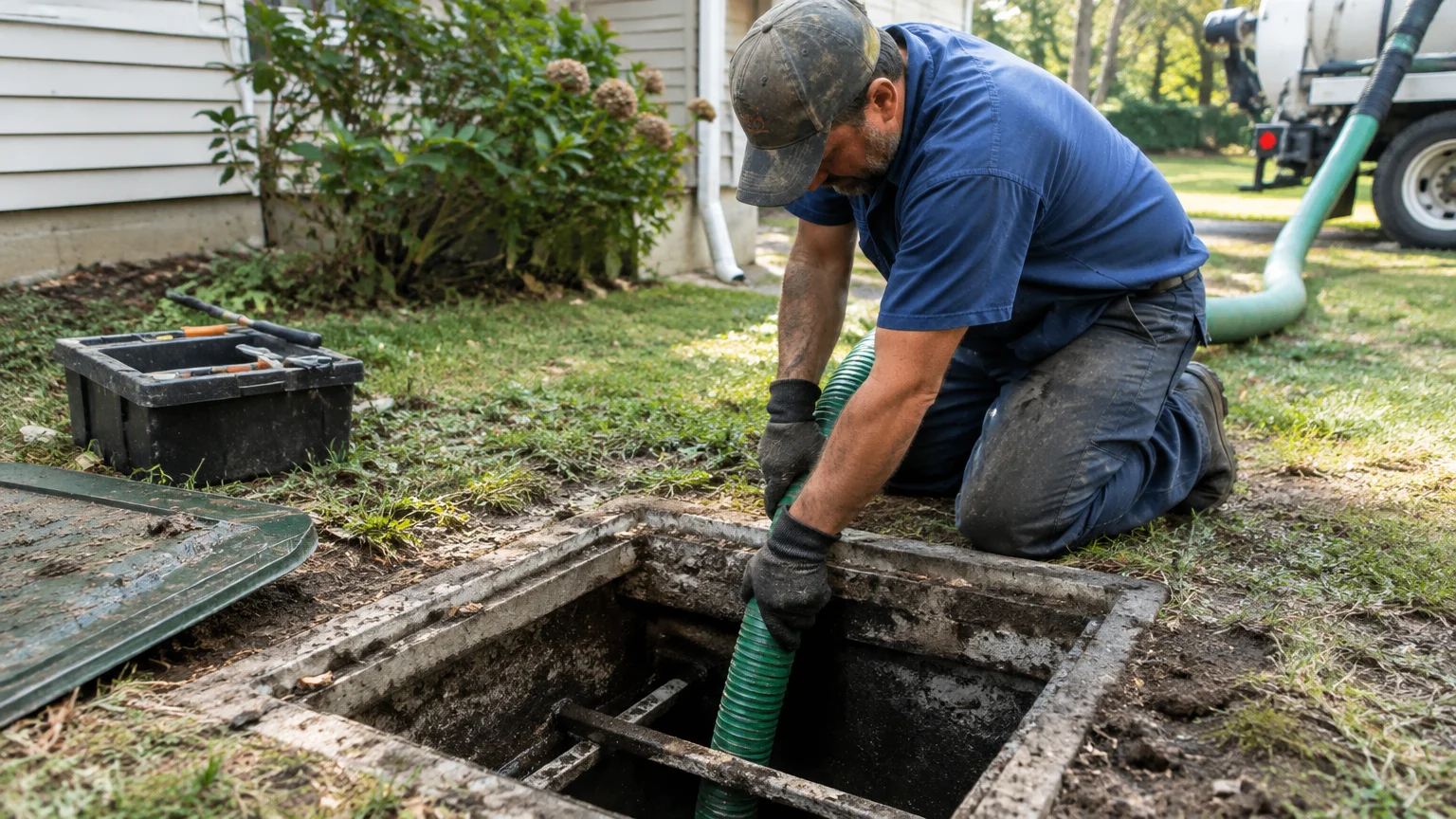
- What does septic tank upkeep involve?
- What can homeowners safely do for septic tank upkeep?
- How often should a septic tank be pumped?
- What are the steps for maintaining a septic system?
- What can go wrong when septic maintenance is overlooked?
- When should you call a septic professional?
- How can you build a long-term septic care plan?
- Frequently Asked Questions
What does septic tank upkeep involve?
Septic tank upkeep means caring for each part of a private wastewater system. A septic tank is a buried container that holds wastewater from the home. Heavy solids sink, lighter waste floats, and liquid moves toward the drainfield. The drainfield is soil that filters the liquid before it returns to the ground.
Why routine maintenance protects system lifespan
Routine maintenance helps the system work as planned. It can also reduce stress on pipes, tank walls, filters, pumps, and soil. When too many solids build up, they may move into the drainfield. This can block the soil and cause wastewater to rise in the yard or back up inside the home.
Good upkeep does not mean homeowners must do every job. Owners can manage water use, protect the system area, and watch for changes. A trained septic worker should handle tank access, pumping, inspections, and repairs involving buried parts or wastewater.
Septic Tank Pumping Knoxville helps property owners understand which jobs belong on a home schedule. It also explains which tasks need trained help. This makes septic care safer for families, tenants, and property investors in Knoxville.
Which maintenance tasks belong on a homeowner’s schedule?
Homeowners can keep service records, check visible areas, and use water with care. They can keep cars, sheds, pools, and deep-rooted plants away from the tank and drainfield. These habits matter because too much water at one time can overload the system.
Professional tasks include opening the tank, checking sludge and scum, cleaning filters, testing pumps, and looking for leaks. A septic worker may also inspect the distribution box and drainfield. These parts are often buried and may contain unsafe wastewater or harmful gases.
What can homeowners safely do for septic tank upkeep?
Homeowners can handle simple checks and daily habits without opening the tank. The safest plan is to watch visible areas, protect the soil, and keep harmful items out of drains. These steps support septic tank upkeep without bringing people near untreated waste or dangerous gases.
Simple inspections and daily-use habits
Watch for slow drains, gurgling sounds, sewage smells, or wet spots near the system. Write down when each sign appears. Also note if it follows heavy rain, laundry, or high water use. These notes can help a professional find the source sooner.
Spread water use across the day when possible. Fix dripping taps and running toilets. Septic-safe products may help, but no product replaces pumping and inspection. Never flush wipes, paper towels, cotton items, grease, paint, medicines, or cleaning chemicals.
A septic tank is not a trash can. Toilet paper and human waste are the only items that should normally go into a toilet. Products marked flushable may still cause problems in a private septic system.
How to protect the drainfield and tank area
Keep the tank and drainfield easy to find. Make a simple sketch that shows their locations, lids, pipes, and access points. This helps with future service and lowers the risk of damage during digging.
Follow these basic safeguards:
- Keep cars, trucks, trailers, and heavy tools off the tank and drainfield.
- Send roof water, sump water, and surface runoff away from the drainfield.
- Do not plant trees or large shrubs over buried septic parts.
- Keep grass cover in place to limit soil loss and runoff.
- Do not build patios, additions, pools, or sheds over the system.
Never enter a septic tank. Do not lean over an open lid or work alone near an access point. Septic gases can harm a person quickly. Open tanks also create a serious fall risk.
How often should a septic tank be pumped?
No single pumping schedule fits every property. The right time depends on tank size, household size, water use, solids, and past service records. A professional can check the tank and suggest a schedule based on its condition.
What affects pumping frequency?
A home with more residents may fill its tank faster. Frequent laundry, long showers, leaking fixtures, and large water releases add strain. Garbage disposals can also send more solids into the tank. This may mean the system needs closer attention.
Tank size matters as well. A smaller tank may need service sooner than a larger tank serving the same household. Older systems, rental homes, seasonal homes, and systems with pumps may need a more careful plan.
Do not wait for a backup before thinking about septic pumping. Keep a record of the last pumping and inspection. Ask about the tank size, filter condition, pump parts, and drainfield location. These records also help future owners and tenants understand the system.
Emergency pumping may be needed when wastewater backs up or the tank is full. It does not replace regular maintenance. A repeated need for emergency service may point to a blocked filter, damaged pipe, failing pump, or drainfield problem.
How to track inspections, pumping, and system changes
Keep all documents in one home file or digital folder. Record the service date, work completed, visible concerns, tank location, and any changes to the property. Include notes about new bathrooms, additions, large appliances, or household changes.
An inspection may help before buying or selling a home. It may also help before major work near the septic area. A perc test is a soil test that shows how quickly water moves through a possible drainfield area. A local authority or approved soil professional usually handles this work, based on local rules.
What are the steps for maintaining a septic system?
Maintaining a septic system starts with good records and safe home habits. Next comes a visual check, careful water use, professional service when needed, and follow-up after the visit. A simple plan makes changes easier to spot.
A practical septic tank upkeep checklist
Property owners can use this checklist as a starting point:
- Find and record the tank, lids, pipes, filter, pump, and drainfield.
- Check the ground for odors, standing water, sewage, or very green grass.
- Spread laundry and other heavy water use across several days.
- Keep grease, chemicals, wipes, and hard-to-break items out of drains.
- Protect the tank and drainfield from traffic, digging, and new structures.
- Review pumping and inspection records before arranging service.
- Ask a septic professional to check buried parts, filters, pumps, and tank levels.
This checklist does not replace an inspection. It helps homeowners prepare and gives the service provider useful background.
How to prepare for a professional inspection or pumping visit
Clear the tank area before the appointment. Move vehicles, outdoor items, and loose materials away from lids and access points. Keep children and pets away from the work area.
Share any recent symptoms, such as backups, odors, slow drains, or wet soil. Tell the worker about plumbing changes, a new garbage disposal, or a long time when the home was empty. These details can affect what the worker checks.
After service, ask for a clear work record. The owner should know where the tank was opened, whether a filter or pump was checked, and whether more work is needed. Septic Tank Pumping Knoxville helps owners in the main Knoxville area, including Bearden and Fountain City, prepare questions and understand the next step.
What can go wrong when septic maintenance is overlooked?
Poor maintenance can let solids leave the tank and enter the drainfield. It can also hide leaks, blocked filters, damaged pipes, or pump trouble. Early action gives an owner more choices and may help protect the rest of the system.
Early warning signs of a developing problem
One slow drain may come from a fixture or indoor pipe. Several slow drains may point to a larger septic concern. Sewage smells, wet ground, or wastewater near the tank or drainfield need prompt attention.
Watch for these signs:
- Toilets bubble or drain slowly when sinks, showers, or laundry run.
- Wastewater backs up into a tub, shower, floor drain, or toilet.
- The yard has soggy spots when little rain has fallen.
- Grass over the drainfield grows faster or looks much greener.
- Sewage smells appear indoors or near buried system parts.
- A pump alarm sounds or a warning light stays on.
Do not cover wet ground with soil, cleaner, mulch, or grass seed. That may hide a health risk instead of fixing the cause. It can also make the source harder to find.
How neglect can affect the tank, pipes, and drainfield
When solids build up, they can block outlet parts and harm the drainfield. Too much water can leave the soil soaked. This leaves less room for natural treatment. A failing drainfield may take a long time to recover, and pumping alone may not fix it.
Poor maintenance can affect nearby people too. Untreated wastewater may carry germs that spread through soil or surface water. Children and pets should stay away from sewage, standing wastewater, and areas with strong sewage smells.
When should you call a septic professional?
Call a septic professional for backups, sewage smells, wet drainfield soil, alarms, damaged lids, or repeated slow drains. Professional help is also needed for pumping, tank opening, filter cleaning, inspections, and work on buried pipes or pumps.
Problems that require prompt attention
A backup inside the home is an urgent warning. Stop using water until the cause is known. Keep people and pets away from wastewater. Avoid touching contaminated surfaces until they are cleaned safely.
Call for prompt help when a pump alarm sounds, a tank lid breaks, or sewage appears near a well, stream, ditch, or property line. A damaged lid can cause a fall even when the system seems to work.
A professional should inspect the system before a property purchase, after major plumbing changes, or when service records are missing. Septic pumping services are not the same as a quick drain cleaning visit. The worker needs to check the private wastewater system as a whole.
Why some repairs and inspections are not homeowner jobs
Tank gases can be toxic. An open tank can be deadly. Wastewater may carry harmful germs. Digging can damage buried pipes, power lines, or the tank itself.
For these reasons, owners should not enter a tank, remove heavy lids, dig into the system, or repair pumps. A septic worker has the tools and training to locate parts, remove solids, inspect the system, and manage wastewater safely.
Rules for permits, inspections, and soil tests may vary by state and local authority. Septic Tank Pumping Knoxville serves property owners across Knoxville and can explain when a trained visit is the safer choice. In some cases, ongoing maintenance may help avoid larger work, such as septic tank replacement.
How can you build a long-term septic care plan?
A long-term plan combines good records, careful water use, protected soil, and timely professional service. It should fit the property, tank, household, and local rules. It should also be easy for future owners, tenants, or property managers to follow.
Key takeaways for protecting system lifespan
- Know the layout: Record the tank, pipes, pump, and drainfield locations.
- Use water wisely: Fix leaks and avoid sending large water loads through at once.
- Protect the soil: Keep vehicles, buildings, deep roots, and runoff away from the drainfield.
- Watch for changes: Treat odors, wet spots, backups, and alarms as warning signs.
- Use trained help: Leave pumping, tank access, inspections, and repairs to a septic professional.
Review the plan after a home sale, addition, household change, or major plumbing upgrade. Update it after every service visit. This keeps the next steps clear for everyone who uses or manages the property.
Questions to ask before scheduling septic service
Ask whether the provider handles the tank, pump, filter, and drainfield concerns involved. Ask what access is needed and which records should be ready. You can also ask which findings need quick action and which should be watched.
The provider should explain the work in plain words. The owner should receive a service record and clear next steps. Knoxville homeowners, landlords, and property managers can use this information to make a practical plan for septic tank upkeep.
For help with safe septic care, Contact us to discuss the next step for the property.
Frequently Asked Questions
What is a septic tank?
A septic tank is a buried container that receives wastewater from a property. Heavy solids settle, lighter material floats, and liquid flows toward a drainfield. The tank needs regular professional care because solids do not disappear by themselves. Homeowners should never enter the tank or open it without proper safety training.
How deep should a septic tank be?
Tank depth depends on the tank design, soil cover, property grade, and local installation choices. Some lids are close to the surface. Other tanks are buried deeper. Use site records or ask a professional to locate the tank. Do not dig blindly or drive heavy equipment over it.
How far does a septic tank need to be from a house?
Required setbacks vary by state and local rules, soil, wells, property lines, and system design. A septic professional or local permitting office can confirm the distance for a property. The tank and drainfield should stay easy to reach and protected from traffic, wells, and surface water.
Who performs a perc test?
A perc test is usually done or overseen by a qualified soil professional, environmental health office, or local permitting authority. The process depends on the local area and the planned system. A septic installer may help arrange the test. Confirm the rules with the local authority before planning construction.
How do you spell cesspool?
The standard spelling is cesspool. A cesspool is different from a modern septic system. It may release wastewater into nearby soil without the same treatment and distribution design. Use the terms carefully when reviewing old records, permits, inspections, or property papers.
If you are unsure what system you have, arrange a professional review before a small concern becomes a larger problem.
If you are not sure what you are dealing with, it is worth having someone look at it before it turns into a bigger job. Get in touch with Septic Tank Pumping Knoxville today and we will tell you where you stand.