A smell from septic tank outside may come from a blocked vent, a full or damaged tank, or trouble in the drain field. The odor’s location and strength can offer clues, but cannot confirm its cause. Keep people and pets away from foul-smelling or wet areas, and get help if the smell stays or sewage appears.
Table of Contents
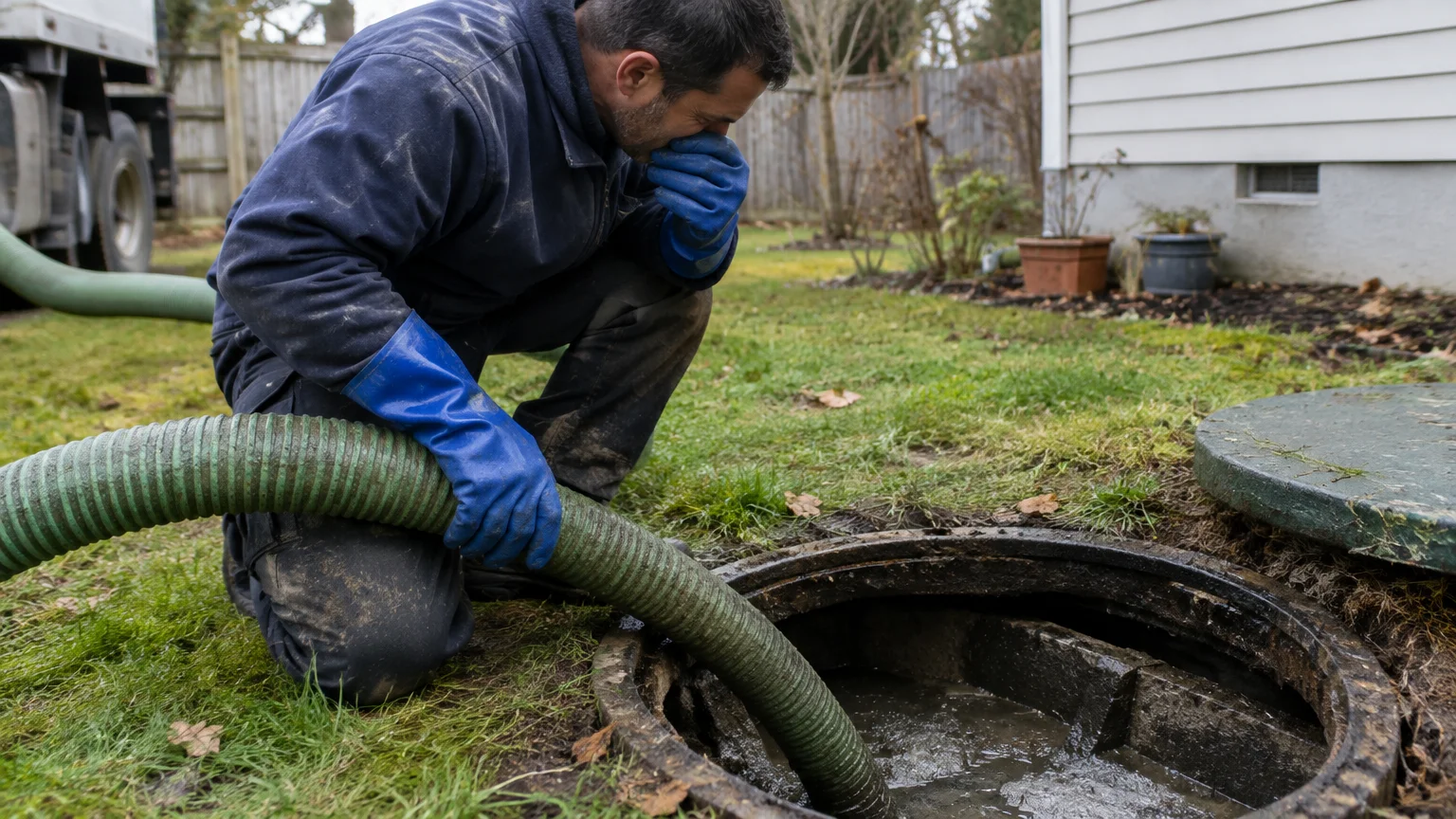
- What does a smell from a septic tank outside mean?
- What are the most likely causes of an outdoor septic smell?
- Could weather or normal system operation cause the smell?
- What should you do when you smell septic odors outside?
- When is an outdoor septic smell an emergency?
- How can a septic professional diagnose the odor?
- How can you prevent septic odors from returning?
What does a smell from a septic tank outside mean?
An outdoor septic smell means gas or wastewater may be escaping from part of the system. The odor alone cannot show whether the problem is small or serious. Where it happens, how long it lasts, and changes in drains or the yard can help guide what to do next.
How septic odors can point to a system problem
A septic system treats household wastewater in a tank. It then sends liquid to a drain field, the area where wastewater moves into the soil. A problem with the tank, pipes, vent, or drain field can let odors reach the yard.
A short smell near a plumbing vent may come and go. A strong smell that stays near the tank or drain field needs more care, especially if sinks or toilets drain slowly. Wastewater coming up in the yard is a warning sign, not normal system use.
Where the smell is coming from matters
Notice where the odor is strongest, but do not walk across wet or unsafe ground. A smell near a roof vent may be carried down by wind. An odor around a tank lid may point to a loose or broken cover. A smell across the drain field may mean the soil is not taking in wastewater well.
The tank is buried, so the odor may not come from the place where the problem began. Pipes link the home’s plumbing, tank, and drain field. Septic Tank Pumping Knoxville can help property owners sort through these clues and decide what to check. A clear note of where and when the smell occurs can help a septic professional.
What are the most likely causes of an outdoor septic smell?
Common causes include a blocked plumbing vent, a tank that needs service, a loose tank cover, or trouble in the drain field. The likely cause depends on where the odor is strongest and whether the home also has slow drains, gurgling, or wet ground.
Common causes, ranked by likelihood
A plumbing vent helps gas leave the home through a pipe that often ends above the roof. If the vent is blocked or air cannot flow well, odors may gather near the home. Wind can also carry gas from the vent toward a patio or window. This can smell bad without proving the tank has failed.
A tank with too many solids may send waste into parts of the system that should stay clear. A tank lid that does not fit well can let odors out near the tank. In the yard, soggy ground or unusually green grass over the drain field may mean wastewater is not spreading as it should.
A clogged or damaged pipe can also slow or stop wastewater flow. The problem may cause several slow drains, gurgling sounds, or wastewater backing up inside. These signs can help a professional narrow down the cause, but they do not prove what is wrong.
Less common causes that need professional investigation
A broken tank, damaged pipe, or failing drain field can cause odors and sewage trouble. Heavy rain, a high water table, or yard changes can also affect how well the system works. A professional can check the system and property before suggesting service or repairs.
Tank depth and size do not explain an odor by themselves. Depth changes from one site and installation to another. Records, access points, and a careful check can help locate a buried tank. Tank size depends on the home and local rules. Guessing from the number of bedrooms alone may lead to a poor fit. Septic tank replacement may be needed for serious damage, but an odor by itself does not show that a new tank is needed.
Could weather or normal system operation cause the smell?
Yes. Wind, heat, and rain can change how strong an odor seems or where it travels. A short smell may fade when the weather changes, but weather does not rule out a system problem. Watch for smells that return and other signs, such as slow drains or wet ground.
How wind, heat, and rain affect septic odors
Wind can carry gas from a plumbing vent toward places where people gather. On a calm day, the same odor may be harder to notice. Warm weather can make smells easier to notice. Heavy rain can leave soil wet and make it harder for a drain field to take in wastewater.
A wet yard after a storm does not always mean the septic system has failed. Look for a spot that stays soggy after nearby ground dries. Also watch for water with a sewage smell. A large, short-term wet area may be rainwater, while a lasting foul-smelling spot needs prompt attention.
When a temporary odor is still a warning sign
A brief smell that goes away and does not return may not need an urgent visit. Still, keep track of when it happens and where it is strongest. If the smell keeps coming back, gets stronger, or comes with plumbing trouble, arrange a system check instead of waiting for a backup.
Tenants should tell the property owner or manager about repeat smells, slow drains, or wet areas. Owners and investors should share those details with a septic professional. In Knoxville, local weather can affect when and where odors are noticed. Only a system check can show whether service or repairs are needed.
What should you do when you smell septic odors outside?
First, stay away from wet or foul-smelling areas and note where the odor is strongest. From a safe place, look for simple signs such as slow drains or a tank lid that seems loose. Do not open a tank or try to fix buried parts yourself.
Safe checks you can make around the property
A homeowner can notice signs and make a few safe checks without calling a professional right away. Look for standing water, unusually wet ground, or changes in how toilets and sinks drain. Note recent rain, how long the smell lasts, and whether it returns near the same spot.
A short checklist can help:
- Notice whether one drain or several drains are slow.
- Look for wet or unusually green patches from a safe place.
- Note whether the smell is near a vent, tank area, or drain field.
- Keep children and pets away from ground that may be unsafe.
- Share the timing and signs with the owner or septic professional.
These observations help, but they do not diagnose the system. Septic Tank Pumping Knoxville can explain what details may help before a service visit. If the home has a backup or sewage in the yard, treat the problem as urgent.
What to avoid before the cause is known
Do not lift or enter a septic tank. Tanks can hold harmful gases and may not have safe air to breathe. Do not walk over soft, wet ground or touch wastewater. Keep flames away from a suspected gas leak. Do not pour strong drain products into the system to try to clear a problem.
Use less water if drains are backing up or wastewater is coming to the surface. Avoid laundry, long showers, and other tasks that use a lot of water until a professional gives advice. Do not drive or park over the tank or drain field. Heavy weight can damage parts buried below the ground.
When is an outdoor septic smell an emergency?
Treat the problem as urgent if sewage backs up indoors, wastewater reaches the surface, or a strong odor comes with several drains that are not working. Keep people and pets away from the affected place. Contact a septic professional promptly, and follow local health advice if sewage reaches a living space or shared area.
Signs of a sewage backup or surfacing wastewater
A toilet that bubbles while another fixture drains may point to a clog or trouble moving wastewater. More serious signs include sewage rising in a floor drain, wastewater near the tank, or a wet patch with a strong sewage smell. These signs call for quick action because touching wastewater can make people sick.
A smell by itself may not mean there is immediate danger. But a smell with visible sewage should not be ignored. Stop using water as much as you can and tell people in the home which areas to avoid. If sewage enters the home, keep children and pets away and seek advice about safe cleanup.
When to keep people and pets away
Keep everyone away from standing wastewater, soft ground, open or broken tank covers, and places where sewage may be coming up. Do not let pets sniff, drink from, or walk through the affected area. Do not cover wastewater with soil or move it into a storm drain.
If anyone touches sewage, wash exposed skin with soap and clean water. For indoor messes, follow local health advice about cleanup and when it is safe to return. A septic professional can check the system, but may not handle all indoor cleanup. The right steps depend on where the wastewater went and how much ground it reached.
How can a septic professional diagnose the odor?
A septic professional can compare where the odor occurs with the home’s plumbing, tank, and drain field. The check may include visible parts, access points, and signs of backup or poor drainage. Septic pumping can help when the tank needs it, but it will not fix every cause of an odor.
What an inspection may check
The professional may ask when the smell began, where it is strongest, and whether the home has slow drains or backups. They may check the plumbing vent, tank access points, inlet and outlet areas, and ground around the drain field. The checks depend on the system and the signs found at the property.
Tell the professional about recent rain, changes in water use, past service, and work near the tank or drain field. Septic records can help show where the system is and how it was built. If the records are missing, a professional can help find system parts safely.
Why pumping may or may not resolve the problem
Pumping removes settled solids and floating material from a septic tank. It can help when the tank needs pumping, but it does not clear every blocked pipe or fix a broken tank. It also cannot make a drain field work well again if the field has failed.
The right service depends on the cause, not just the smell. A septic tank pumping service may be part of the answer after a check. A professional can explain whether pumping, repair, or more testing is needed. Ask what they found and which signs to watch for after the work.
How can you prevent septic odors from returning?
Good daily habits can reduce strain on a septic system, but cannot prevent every problem. Use water with care, keep harmful items out of drains, and protect the tank and drain field from damage. Inspection and pumping should follow the system’s needs and local advice.
Habits that help protect the septic system
Toilets and sinks should carry wastewater, not trash. Do not flush wipes, grease, medicine, or other items that can clog pipes or upset the system. Spread out laundry and other heavy water use when you can, so the system does not face a sudden rush.
Keep cars, sheds, and heavy equipment off the tank and drain field. Do not plant trees or shrubs where roots may reach buried pipes. Send roof drains and yard runoff away from the drain field. These steps can help protect the system, but they cannot fix damage that is already there.
When routine inspection and pumping are appropriate
There is no one schedule that fits every septic system. How often it needs inspection or pumping depends on tank size, household use, system condition, and local advice. Keep service records so owners can see when the tank was last checked and what work was done.
For a first-time buyer, a septic inspection can help find problems before a sale is complete. Tenants should report repeat smells or drain changes to the owner or manager. Property owners can ask Septic Tank Pumping Knoxville about a smell that returns or signs that call for a closer look. Emergency pumping or 24/7 service may be needed in some urgent situations, but a professional must first assess what is happening.
Key takeaways
- Odor location and timing can offer clues, but cannot prove the cause.
- Slow drains, sewage backups, or wet, foul-smelling ground need prompt attention.
- Homeowners can safely notice signs, but should not open or enter a tank.
- Pumping helps when a tank needs service, but may not fix vents, pipes, or a drain field.
- Keep people and pets away from wastewater and damaged tank covers.
Frequently Asked Questions
Can a septic smell outside be normal?
A brief odor can happen when wind carries gas from a plumbing vent or weather changes how it travels. A smell that returns, stays strong, or comes with slow drains or wet ground should not be ignored. Note where and when it happens, then ask a septic professional if it continues.
Why does the yard smell like sewage after rain?
Heavy rain can soak the soil and make it harder for a drain field to take in wastewater. A wet yard for a short time may simply be from rain. A lasting sewage smell or standing wastewater needs attention. Stay away from the area and arrange a system check if the signs remain.
Will pumping the septic tank stop the outdoor odor?
Pumping may help if the tank needs service, but it will not fix every cause. A blocked vent, damaged pipe, loose cover, or failing drain field may still cause a smell. A professional should check the system and explain the likely cause before deciding what work is needed.
How can someone find a buried septic tank?
Start with property records, septic plans, or notes from past service. Do not dig at random, since buried pipes and tank lids can be damaged. A septic professional can help find the tank and access points safely, especially when records are missing or the yard has changed.
When should a septic odor be treated as urgent?
Act promptly if sewage backs up into the home, wastewater comes up in the yard, or several drains stop working. Keep people and pets away from affected places, and use less water until you get advice. A strong odor with visible sewage needs professional help, not a wait-and-see approach.
Conclusion
An outdoor septic smell can come from a vent, tank, pipe, or drain field. The smell’s location and changes in the plumbing may point to the problem, but a professional check may be needed to confirm it. Avoid unsafe do-it-yourself work and stay away from wastewater.
For a smell that keeps returning or signs of a backup, Contact us to discuss the next step with Septic Tank Pumping Knoxville. Learn more about Septic Tank Pumping Knoxville.
If you are not sure what you are dealing with, it is worth having someone look at it before it turns into a bigger job. Get in touch with Septic Tank Pumping Knoxville today and we will tell you where you stand.