Ever flush a toilet and hear a long gurgle after? Or notice a sour, sewer-like smell near the yard? These little hints often point to bigger trouble underground. A “full” septic tank can be normal (filled to the outlet level with liquid called effluent) or problematic (overfull with too much sludge and scum, or blocked so liquid can’t leave). The difference matters because it changes your next step—routine service versus urgent repair. This guide explains the most common symptoms of full septic tank, what they mean, and how to respond safely and quickly.
Septic Tank Pumping Knoxville serves homes and businesses across the area. You’ll find clear signs to watch for, straightforward DIY checks, and when to call for Septic Tank Pumping, Septic Inspection, or Septic System Repair to protect your property.
Key Takeaways (quick)
- A normal septic tank is “full” to the outlet; an overfull tank has excess sludge/scum or a blockage that slows or stops outflow.
- Top warning signs include slow drains, gurgling fixtures, sewage odors, soggy or extra-green grass over the drainfield, and any sewage backup.
- Backups into tubs or floor drains and standing water over the drainfield in dry weather require urgent attention.
- First steps: reduce water use, refill dry traps, check roof vents from the ground, note wet spots, and schedule Septic Tank Pumping with a filter cleaning.
Table of Contents
- Quick answer: what a “full” septic tank really means and the top symptoms
- Slow drains and gurgling fixtures
- Sewage odors indoors or around the yard
- Lush grass, soggy soil, or standing water over the drainfield
- Toilet troubles and sewage backups
- Root causes ranked by probability
- What to do next: DIY checks, professional help, and prevention
- Frequently Asked Questions
- Key takeaways
- Conclusion
Quick answer: what a “full” septic tank really means and the top symptoms
A septic tank is a buried, watertight container that holds household wastewater. Solids settle as sludge on the bottom. Oils float as scum on top. The middle liquid, called effluent, exits to the drainfield, where soil treats it. A normal tank stays “full” at the outlet level between pump-outs. An overfull tank happens when sludge or scum build too thick, or when effluent can’t flow out. That is when symptoms appear.
Most people see clues in day-to-day use. Drains slow. Sinks bubble. A toilet refuses to clear. The yard gets wet near the tank or drainfield. A strong, sewer odor shows up after showers or laundry. These signs point to flow that is blocked or overloaded. The tank may need Septic Tank Pumping, an effluent filter cleaning, or line repair. In some cases, the drainfield (also called leach field) is tired or clogged. Here are the most common symptoms of full septic tank you might notice first.
A fast way to think about it is risk and timing. If sewage is backing up or you see standing water near the tank, that is urgent. If drains only slow after a big laundry day, the system may be near its limit, not failed yet. One visit for a Septic Inspection can tell the difference and protect the drainfield.
- Watch for these early symptoms of full septic tank: slow drains, gurgles, odors, wet spots over the field, greener grass over trenches, and any toilet that needs more than one flush.
Slow drains and gurgling fixtures
Slow drains mean wastewater is not moving as it should. Gurgling is air in the lines trying to escape. In a healthy system, air moves through a vent pipe. When flow is blocked or the tank outlet is restricted, air burps up through traps and makes noise. This often shows first in the lowest fixtures, like a basement tub or a first-floor shower.
The most likely cause is sludge buildup in the tank and at the outlet, or an effluent filter clog. An effluent filter sits at the tank’s outlet to keep solids from reaching the drainfield. When it clogs, effluent can’t leave fast enough, so drains slow and gurgle. Heavy water use can make it worse; running the dishwasher, laundry, and showers at once can hydraulically overload the system.
Start with simple checks. Make sure fixture traps have water and that roof vents are clear of leaves. Limit water use for 24–48 hours. Spread laundry over the week. If drains improve, your system may be near its capacity. If gurgling keeps up or spreads to more fixtures, it is time for Septic Tank Pumping and a filter cleaning. A quick Septic Inspection can also find a sag in the pipe or a partial clog from wipes.
It becomes urgent when more than one fixture backs up at the same time, when a toilet bubbles while a nearby sink drains, or when you hear gurgling plus smell sewage. That pattern points to blockage near the tank or a full line. At that point, stop using water that you can pause. Call for Septic Services and ask about same-day pumping to stop a backup before it reaches the home.
Sewage odors indoors or around the yard
Sewer-like odors are a red flag. Indoors, they often come from a dry trap, a loose toilet wax ring, or a blocked vent stack. Outdoors, odors near the tank lid or over the drainfield suggest effluent is not soaking into the soil as designed. In both cases, the smell forms when sewer gas escapes instead of venting safely above the roof.
The most likely septic cause is an overdue pump-out or clogged effluent filter. When solids rise, gas builds and finds the path of least resistance. Another likely cause is hydraulic overload from long showers and big laundry runs back-to-back. Less common are a cracked tank lid, damaged baffles (the parts that guide flow), or root intrusion in the outlet line. The U.S. Environmental Protection Agency explains how septic systems rely on sound tanks, baffles, and soil treatment to control odor and treat wastewater in its overview of septic systems (EPA Septic Systems Overview).
Act now by checking for dry traps. Run water in seldom-used sinks and floor drains to refill traps. Look at the roof vent; if it is iced over in winter or blocked by debris, clear it safely from the ground. Outdoors, note any soggy areas or green stripes over drainfield lines. Reduce water use to give the system a break. If odor stays or worsens, schedule Septic Tank Pumping and ask to clean the effluent filter and check baffles.
Odor plus wet soil or standing water is urgent. So is odor inside with visible moisture near a floor drain or base of a toilet. Those conditions can point to sewage not moving or to a break in the line. In those cases, keep children and pets away from wet spots. Avoid contact with the water. Then call for Septic System Repair to assess lines and lids and to protect your drainfield.
Lush grass, soggy soil, or standing water over the drainfield
A drainfield (or leach field) is a network of pipes that spread effluent into soil. The soil treats it as it moves down and sideways. When the field is healthy, the yard above looks like the rest of the lawn. A soggy patch, bright green stripes, or standing water above the trenches means the soil is not taking in effluent at the rate it should.
The most likely cause is high sludge in the tank pushing solids into the field. Solids clog soil pores and slow absorption. Another common cause is effluent filter clogging that makes liquid back up to the tank and into the inlet line. Heavy rain, poor grading, and roof gutters pointed at the field can also flood the area. Less common are crushed laterals, root intrusion, or a failed drainfield that has reached the end of its useful life.
Take a careful walk of the area. Do not dig or drive on the drainfield. Note any odors, soft ground, or new lush growth. Divert downspouts away. Pause sprinkler use. Spread out water use inside for a few days. If you still see wet soil on dry days, ask for a Septic Inspection. The team may open the tank, measure sludge and scum, and test the outlet flow. If pumping is due, they will perform Septic Tank Pumping and clean the filter to protect the field.
It becomes urgent when there is standing water over the field during dry weather, or when footprints fill with effluent after you step. Keep people and pets away. Avoid mowing wet areas to prevent splashing. In many cases, quick pumping and fixing the filter can stop backflow. If the soil is clogged, Septic System Repair may be needed to restore flow, and in rare cases Septic System Installation may be discussed.
Toilet troubles and sewage backups
Toilet issues are often the first big warning sign. A healthy system clears a flush in one push. If a toilet needs two flushes, bubbles while a nearby sink drains, or refills slowly, the line may be restricted. If sewage rises in a tub or floor drain after flushing, you likely have a blockage past the toilet but before the outlet, or an overfull tank. These toilet problems are also among the clearest symptoms of full septic tank or a blocked outlet.
The most likely cause is overdue pumping. As sludge rises, the outlet can’t keep up. Toilet paper and wipes catch on rough spots and form a plug. An effluent filter clog can cause the same thing: the tank fills faster than it can drain, pushing waste back into the house. Other causes include foreign items flushed by mistake and low tank capacity versus household water use.
Here is what to do now. Stop using large amounts of water. Do not keep flushing to “clear” a clog if waste is coming back up. Check other fixtures; if a nearby shower or sink is also slow, the issue is likely at or beyond the toilet branch. If only one toilet is affected while others are fine, the blockage might be local to that line. Either way, a prompt Septic Tank Pumping and filter cleaning often restore flow.
It is urgent when you see sewage backing into tubs or floor drains, or when toilets in more than one bathroom fail at the same time. That pattern points to a main line or tank outlet problem, not a simple toilet clog. Keep children and pets away from any spill. Clean small spills with proper protective gear. If a larger spill occurs, ask for emergency Septic Services in Knoxville to limit damage to floors and walls and to protect health.
Root causes ranked by probability
Most septic symptoms trace back to a few causes. Knowing which are most likely helps you act fast and avoid bigger repairs.
Most common causes:
- Sludge buildup: Over time, solids collect at the bottom of the tank. If not pumped on schedule, sludge reaches the outlet and slows or blocks flow. The EPA advises routine maintenance and pump-outs to protect the system and the drainfield (EPA Septic Systems Overview).
- Effluent filter clogs: The filter at the outlet traps solids. It can block due to grease, wipes, or heavy use. When blocked, drains slow and gurgle, and backups can follow.
- Hydraulic overload: Too much water at once exceeds the soil’s ability to absorb effluent. Back-to-back laundry loads and long showers can trigger slow drains even when the tank is healthy.
Less common but serious:
- Root intrusion: Tree roots seek water and can enter small cracks or joints in lines, causing partial or full blockages.
- Crushed or sagging lines: Soil movement, traffic, or improper bedding can crush pipes or create bellies that trap solids.
- Failed drainfield: Soil pores clog over years, or biomat (a slimy growth) gets too thick. The field no longer accepts effluent at a normal rate. In such cases, pumping helps symptoms but not the core issue. An onsite professional may recommend Septic System Repair or, in some cases, Septic System Installation.
A clear diagnosis starts with opening the tank, measuring sludge and scum, checking the effluent filter, and watching flow to the outlet. A full Septic Inspection also reviews baffles, lids, and line elevations. In Tennessee, local health codes may guide repairs and system upgrades; your provider can explain the steps for permits and safe work based on county rules. For general care tips, the EPA offers homeowner guidance on protecting your system (Care for Your Septic System).
What to do next: DIY checks, professional help, and prevention
You can take a few safe steps right away. Reduce water use for 24–48 hours. Spread laundry across the week. Shorten showers. Run the dishwasher only when full. Check for dry traps by running water in unused sinks and floor drains. Look at the yard for wet spots, new odors, or greener strips over the field. Do not open the tank yourself; sewer gas is dangerous, and tank lids can be heavy and unsafe.
Call Septic Tank Pumping Knoxville for Septic Tank Pumping if it has been a while or if symptoms match what you read here. Ask to clean the effluent filter and to inspect baffles and lines. If you are buying or selling a home, book a full Septic Inspection to document health and note repairs. If lines are broken or the field is compromised, Septic System Repair will address the issue. New projects or full replacements call for Septic System Installation.
Emergency service is warranted when sewage backs up into the home, when there is standing water over the tank or field during dry weather, or when odors are strong indoors. Keep people and pets away from wet areas. Turn off the water supply to fixtures if safe to do so. Then arrange help.
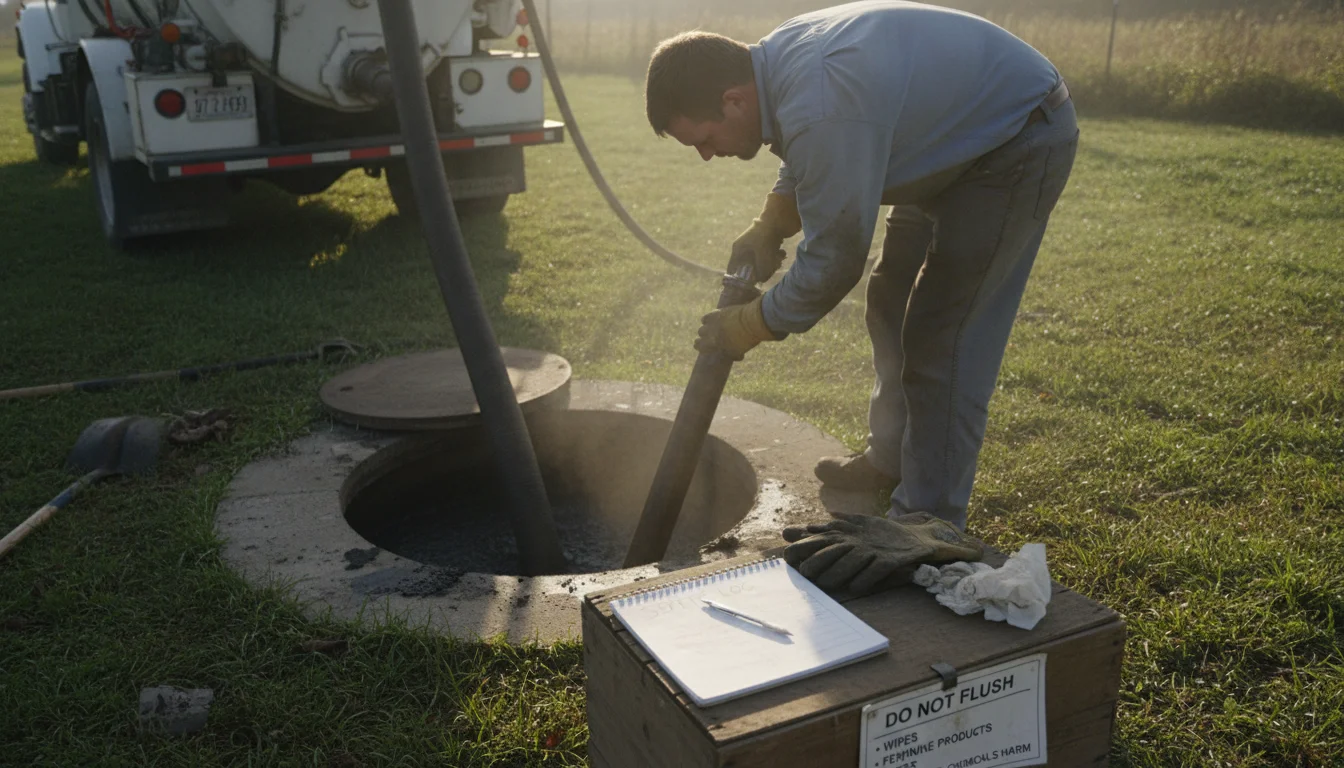
For prevention, plan routine Septic Tank Pumping based on use. Many homes need service every few years, but timing varies by household size, tank size, and habits. The key is to pump before sludge reaches the outlet. Keep a simple log of dates and findings. Do not flush wipes, feminine products, or grease. Many items people ask about belong in the trash, not the tank. The EPA notes that solids and chemicals can harm the system and the soil treatment process (EPA Septic Systems Overview).
Frequently Asked Questions
What are the symptoms of full septic tank?
Slow drains and gurgling fixtures, sewer odors indoors or outside, soggy or unusually lush grass above the drainfield, toilets that need multiple flushes, and any sewage backing up into tubs or floor drains. If you notice these symptoms of full septic tank, reduce water use and schedule Septic Tank Pumping and a filter cleaning.
How often should I pump my septic tank?
Pump frequency depends on tank size, number of people, and water use. Many homes schedule pumping every few years. If you notice slow drains, odors, or wet spots, book service sooner. A Septic Inspection can measure sludge and scum and set the right interval for your household.
How do I find the septic tank lid?
Most lids sit a few inches to a few feet below grade, often under a round or square access riser. Look for a subtle mound or patch in the yard between the home and the drainfield. Records from past service can help. A professional can locate the tank with tools and avoid utility lines.
What should never go into a septic system?
Avoid wipes, grease, oils, paint, solvents, cat litter, coffee grounds, and large amounts of bleach. These items can clog filters, upset the bacteria in the tank, and harm the drainfield. When in doubt, throw it in the trash. Use septic-safe paper and limit garbage disposal use.
Why do I hear gurgling in sinks and tubs?
Gurgling is trapped air trying to escape. It happens when lines are partially blocked, the effluent filter is clogged, or the roof vent is obstructed. If gurgles come with slow drains or odors, the tank may be overfull or restricted. Reduce water use and schedule Septic Tank Pumping and a filter check.
How deep should a septic tank be?
Depth varies by site, climate, and local codes. Many tanks are buried from a few inches to several feet below grade. Risers make access easier for service. A licensed provider will verify depth, locate access points, and ensure lids and risers meet safety and code requirements in Tennessee.
Key takeaways
- Not all “full” tanks are failing. Normal is full to the outlet; overfull means sludge or clogs.
- Top signs: slow drains, gurgles, odors, lush or soggy spots, and backups — the most common symptoms of full septic tank.
- Act fast on backups and standing water. Those are urgent health and damage risks.
- First steps: reduce water, check traps, and book Septic Tank Pumping and filter cleaning.
- Protect the field: keep solids out, spread water use, and schedule regular Septic Inspection.
Conclusion
Septic systems are simple and dependable when cared for on time. When drains slow, odors rise, or the yard turns soggy, your tank or field is asking for help. Septic Tank Pumping Knoxville works across Knoxville every week to inspect, pump, and repair systems so properties run smoothly. If you notice the symptoms in this guide, or if it has been a while since service in Knoxville, take the safe next step.
If you are not sure which of these you are dealing with, it is worth having someone look at it before it turns into a bigger job. Get in touch with Septic Tank Pumping Knoxville today and we will tell you where you stand.