The answer to how long does it take to pump septic tank systems depends on tank size, access, waste levels, and site conditions. Many routine visits take from about 30 minutes to a few hours. Hard-to-find tanks, deep covers, damage, heavy sludge, or added checks can make the appointment longer.
Table of Contents
- How long does it take to pump a septic tank?
- What happens during a septic tank pumping appointment?
- How do septic tank parts work together during pumping?
- What can make septic tank pumping take longer?
- How should you prepare for septic tank pumping?
- What should you expect after the septic tank is pumped?
- What are common misconceptions about septic tank pumping?
- Key takeaways
- Frequently Asked Questions
- Conclusion
How long does it take to pump a septic tank?
A normal septic tank pumping visit often takes less than a few hours. The pumping itself may take less time than the full appointment. The technician must find the tank, open the lids, check the system, remove the waste, and clean the area.
The property can also change the timeline. A tank beside a clear driveway is easier to reach than one under soil, plants, gravel, or a deck. Past records may help the technician find the tank faster. Owners can check health department files, closing papers, permits, and old service records.
What happens before the pumping begins?
Before work starts, the technician usually confirms the tank location. They also check where the service truck can park safely. The technician may ask about backups, slow drains, odors, or changes in water use. These signs may point to a larger problem.
The access area must then be opened. Some tanks have visible risers and lids. Other covers are below the ground. Finding and uncovering a buried tank can add time, especially when records are missing.
What factors affect the timeline?
Tank size, waste levels, weather, access, and the site layout all matter. A tank with thick sludge may take more care to empty. Sludge is the heavy solid layer at the tank bottom. Scum is the lighter layer that floats on top.
Septic Tank Pumping Knoxville helps property owners understand what may affect a visit. Clear details about the tank and recent problems help the provider plan. This can help homeowners, tenants, investors, and first-time buyers avoid scheduling surprises. Knoxville properties can have different tank locations and access needs, even when the homes look similar.
What happens during a septic tank pumping appointment?
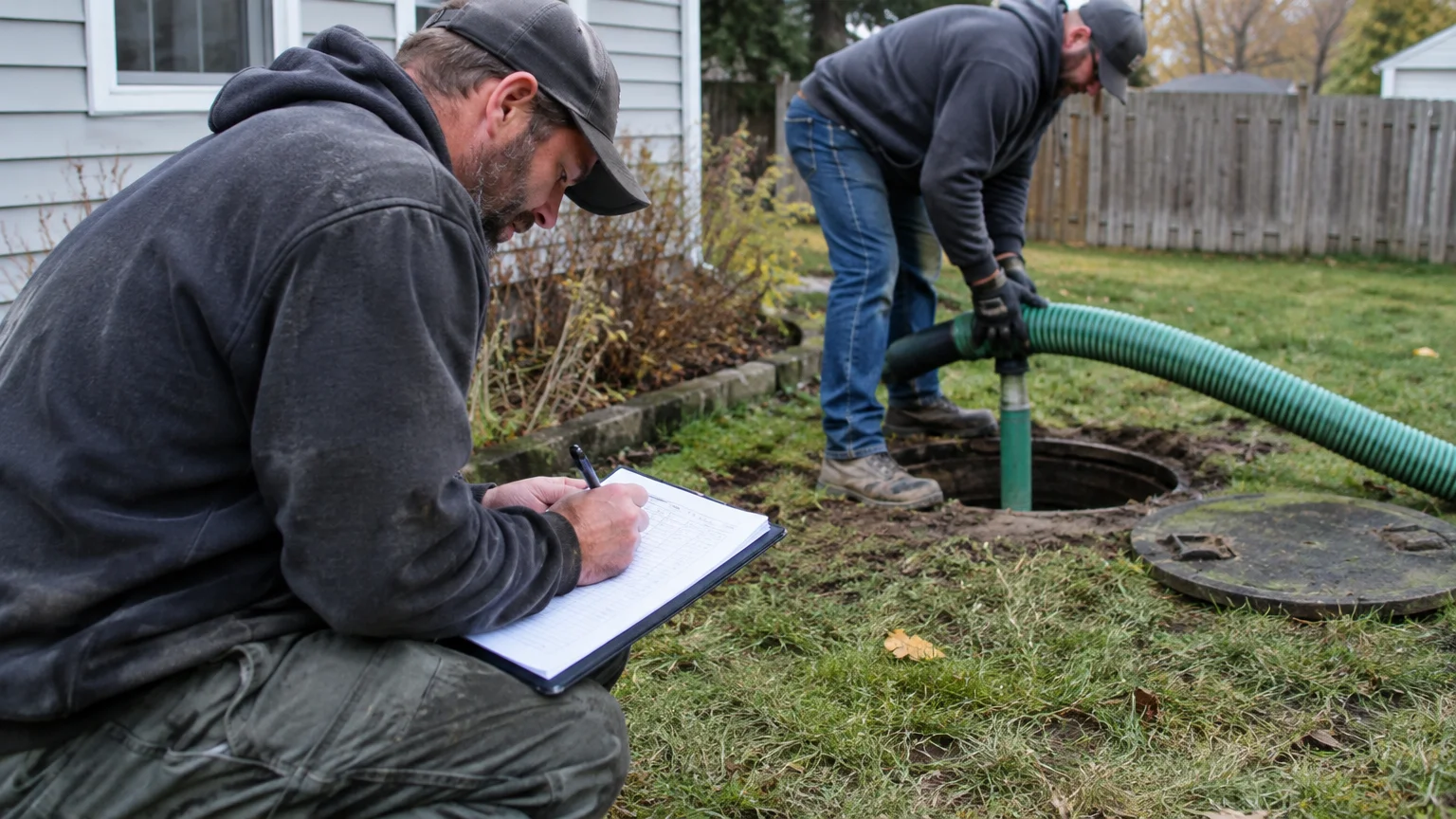
A septic pumping visit follows a simple set of steps. The technician finds the tank, opens the access points, checks the tank, removes liquid and solids, and closes the area. The goal is to remove the tank contents safely, not just draw liquid from the top.
First, the technician checks the work area. The truck needs a safe place to park, and the hose must reach the tank. The crew may protect nearby surfaces. People and pets should stay away from the work zone.
Next, the lids are opened. The technician may check the inlet, outlet, baffles, liquid level, and visible tank walls. Baffles are parts that guide wastewater in and out of the tank. They also help keep solids from moving toward the drainfield.
The hose then removes wastewater, sludge, and scum. The technician may move the hose to several spots inside the tank. This helps remove settled material instead of only pulling liquid from one area.
Plain-language walkthrough of the pumping process
The pumping process normally includes these steps:
- The crew confirms the tank location and truck access.
- The access lids are uncovered and opened safely.
- The technician checks for damage, high water, or unusual signs.
- The hose removes liquid, sludge, and floating material.
- The inlet, outlet, baffles, and nearby area receive a basic check.
- The lids are secured, and the work area is left safe.
The technician may explain the findings before leaving. A normal pumping visit may not include repairs, digging, or a full inspection. Those services may need separate planning if the tank, pipes, or drainfield has a problem.
Septic pumping timeline from arrival to cleanup
The visit has five main stages. These are arrival and access checking, lid opening, tank inspection, waste removal, and lid replacement with cleanup. The parts involved may include the tank, inlet pipe, outlet pipe, baffles, access lids, hose, and service truck.
Pumping is more than connecting a hose. It includes safe access, waste removal, basic checks, and cleanup. This explains why two visits with similar tank sizes may still take different amounts of time.
How do septic tank parts work together during pumping?
A septic tank is a buried container that holds wastewater from a property. A septic system also has pipes, a drainfield, and soil. These parts help treat and spread wastewater. Pumping removes solids and liquids so the tank has room to keep working.
Wastewater enters through the inlet pipe. Heavy solids sink, lighter material floats, and liquid stays between those layers. Natural bacteria break down some waste, but they do not remove it all. The outlet pipe carries liquid toward the drainfield.
During septic pumping, the technician removes the tank contents through an access opening. The inlet and outlet show how wastewater moves. Baffles slow the flow and help keep solids out of the drainfield.
How the tank, inlet, outlet, and baffles interact
The inlet pipe brings household wastewater into the tank. The outlet pipe sends liquid toward the drainfield. The tank separates solids from liquid between these pipes. Baffles help stop a sudden rush of water from mixing the layers.
A damaged or missing baffle may let solids move toward the drainfield. This can cause clogs or poor drainage. Pumping removes waste, but it cannot repair a broken baffle or damaged pipe. A septic tank replacement may also be needed when the tank has major damage.
Why access covers and tank location matter
Access covers make septic pumping safer and faster. A riser brings the cover closer to the ground surface. This can reduce digging during later visits. A tank without clear access may take longer because the crew must find and uncover it.
The tank may be near the home, driveway, garage, or another structure. Its depth differs from property to property. Soil, design, age, and installation all affect its location. Never enter a tank or lean over an open lid. Septic gases and unsafe conditions can cause serious harm.
What can make septic tank pumping take longer?
Many things can extend a septic pumping visit. Common causes include hard access, heavy buildup, poor records, blocked openings, bad weather, and system concerns. A longer visit does not always mean the system has failed. It may mean the property needs more than routine pumping.
Access is often the first concern. A buried lid, narrow gate, steep slope, soft ground, or long hose path can slow the work. The truck may need firm ground to avoid harm to lawns, driveways, or underground features.
Tank access, sludge buildup, and site conditions
Heavy sludge and scum can make removal slower. The technician may need to move the hose and work carefully around thick layers. A tank that has gone without service for a long time may have more settled waste than expected.
Rain, snow, frozen soil, standing water, and wet ground can affect access. Landscaping, patios, sheds, and additions may also cover the tank. Clear records and visible risers can make future septic tank pump services easier to plan.
When inspections, repairs, or extra service are needed
Pumping may reveal cracked concrete, damaged lids, broken baffles, blocked pipes, or high water. A basic visual check can find a concern, but it may not explain every drainfield or plumbing issue. More testing may be needed when wastewater backs up after pumping.
A perc test is a soil test that checks how quickly water moves through the ground. A qualified soil professional or approved specialist usually handles it. It is not the same as routine pumping and is not needed for every visit.
Septic Tank Pumping Knoxville can explain when a routine service may need follow-up work. Property owners should ask what the technician saw, what remains unclear, and which professional should handle the next step.
How should you prepare for septic tank pumping?
Owners and tenants can make the visit easier by finding records, clearing access, and sharing recent problems. The home usually does not need to be empty. However, water use may need to pause during the appointment. The provider can explain any special steps before arrival.
Look for tank records, permits, inspection reports, and past invoices. A county or local health department may keep septic records online or in public files. Search terms such as the property address, parcel number, septic permit, or onsite wastewater record may help.
What property owners and tenants should do beforehand
The following steps can help prepare the site:
- Mark the likely tank location and share records with the provider.
- Move vehicles, toys, furniture, and loose items from the access area.
- Keep children and pets away from the work zone.
- Tell the technician about backups, odors, slow drains, or wet ground.
- Ask household members to limit water use during the visit.
- Do not dig unless the tank location has been confirmed safely.
Tenants should tell the owner or manager about warning signs. Investors and buyers should request service records during due diligence. These records may show when the tank was pumped, whether repairs were noted, and where the access points are located.
What to expect from the pumping area and household plumbing
The ground around the tank may become muddy or disturbed if digging is needed. The provider should explain the planned access work. The opening should be secured before the crew leaves. Everyone should stay clear until the lids are closed.
Household drains may need a short pause while the tank is serviced. Water should flow normally afterward when the plumbing and drainfield are healthy. Do not flush wipes, grease, paint, harsh chemicals, or other harmful materials.
What should you expect after the septic tank is pumped?
After pumping, the tank should have more working space. Drains should work normally when the plumbing and drainfield are healthy. Pumping does not promise that every septic problem is fixed. Warning signs still need quick attention.
The technician may explain the tank condition, access location, and visible parts. Ask whether the lids were secured and whether the baffles looked intact. Written service notes can help with future care and property records.
How the system should operate after service
A healthy system should accept normal household wastewater. Repeated backups, sewage odors, gurgling drains, or wet ground near the drainfield are not normal. One slow drain may come from a plumbing issue. Several slow drains may point to a larger problem.
Use water wisely after pumping. Spread laundry across the week to reduce sudden flow into the tank. Fix leaking toilets and faucets. These simple steps help prevent extra water from entering the system.
When to ask about maintenance, inspections, or warning signs
The right pumping schedule depends on tank size, household size, water use, solids, and local conditions. A technician can suggest a plan based on the system. Homes with more occupants may need service sooner than lightly used properties.
Ask for help when sewage backs up, strong odors continue, drains stay slow, or wet areas appear near the tank or drainfield. First-time buyers should also ask for a septic inspection before buying when records are missing or the system condition is unclear.
What are common misconceptions about septic tank pumping?
Many people think pumping removes every septic problem. It does not. Pumping removes stored contents from the tank. Pipes, baffles, the drainfield, soil, and household plumbing may still have separate problems.
Some people also think a short visit means the work was incomplete. A visible tank with easy access may be pumped quickly. The better questions are whether the contents were removed, the tank was checked as agreed, and the lids were secured.
Does pumping remove every septic system problem?
No. Pumping does not repair cracked tanks, broken baffles, blocked pipes, damaged drainfields, or poor soil. It also cannot fix plumbing problems inside the home. When symptoms continue, ask for a follow-up check instead of repeating pumping without finding the cause.
Septic tank cleaning and pumping may mean similar things, but the service can vary. Ask what the appointment includes. Clear questions help prevent confusion about inspections, repairs, filters, risers, and other system parts.
Does a fast appointment always mean the work was complete?
No. Time alone does not prove service quality. A fast visit may be right when access is easy and the tank is in normal condition. A longer visit may be needed when the tank is buried, full of thick solids, or hard to reach.
Ask what was pumped and what the technician observed. Septic Tank Pumping Knoxville helps property owners look at the whole system, not only the time spent at the tank. This approach can help people in Knoxville plan future care with fewer surprises.
Key takeaways
- A routine septic tank pumping visit often takes less than a few hours.
- Access, tank depth, sludge, weather, and site layout affect the timeline.
- Pumping removes tank contents but does not fix every system problem.
- Clear records and open access can make future visits easier.
- Backups, odors, slow drains, and wet ground need professional attention.
Frequently Asked Questions
How often should a septic tank be pumped?
The best schedule depends on tank size, household use, water flow, and solids. No single schedule fits every property. A septic professional can review records and system conditions. They can then suggest a useful service plan.
How deep should a septic tank be?
Tank depth varies by design, soil, age, and installation. Some covers sit near the surface. Others are buried several feet below ground. Use records or ask a qualified professional to find the tank. Never dig blindly or enter the tank.
What is a septic tank?
A septic tank is a buried container that receives wastewater. Solids settle, lighter material floats, and liquid moves toward the drainfield. The tank holds waste while natural treatment begins. Pumping removes buildup that bacteria cannot fully break down.
Who performs a perc test?
A qualified soil professional, engineer, or approved specialist usually performs a perc test. Local rules decide who may do the work. The test checks how soil absorbs water. It is often used for septic planning or replacement, not routine pumping.
How can someone find septic tank records online?
Start with the county or local health department website. Search for septic permits, onsite wastewater records, parcel records, or environmental health files. The property address and parcel number may help. If records are not online, ask the local records office how to request them.
Conclusion
Knowing how long does it take to pump septic tank systems helps owners plan the visit. The pumping may be quick, but access, checks, cleanup, and site conditions affect the full appointment. Good records, clear access, and honest details about symptoms can make the work smoother.
Contact us to discuss septic tank pumping and what to expect at your property.