R V septic tank treatment is a product made for use in a septic system, but the package is the best source for its ingredients and claims. Do not assume it can fix a failing tank, clear a blockage, or replace septic pumping. Read the directions, keep up with maintenance, and seek help when the system shows signs of trouble.
A septic additive can seem like an easy way to care for a system. It may sound useful when you want to avoid problems, protect a new home, or keep a tank working well. But a product label does not prove that a treatment can solve every septic issue.
This guide explains how to assess R V septic tank treatment without guessing about its formula or results. Product labels can change, so check the package you have for ingredients and directions. A septic professional can help assess system concerns that a product cannot diagnose.
Table of Contents

- What is R V septic tank treatment?
- What claims does R V septic tank treatment make?
- What actually happens to additives inside a septic tank?
- Can septic tank treatment improve septic system performance?
- Can septic additives replace routine pumping?
- Are septic tank treatments safe for tanks and drainfields?
- When might using R V septic tank treatment be a poor choice?
- How should you evaluate the product’s evidence and instructions?
- What are safer alternatives to septic tank additives?
- What is the verdict on R V septic tank treatment?
What is R V septic tank treatment?
R V septic tank treatment is sold for use in septic systems. Check the current package to learn what it is meant to do. The product name alone does not tell you its ingredients, how it works, or whether it suits your system. The label and directions are the best places to start.
How the product is presented and what its label says
The label should explain how to use the product, what it contains, and how much to add. It may also say what kind of system it is meant for. Read the directions closely. A product for one use should not be used another way just because both uses involve waste treatment.
Before using R V septic tank treatment, read the label and keep a copy. The package may make claims about odors, waste breakdown, or system care. Those claims do not prove it can prevent a clog, fix a damaged tank, or make pumping unnecessary. If the label is not clear, ask the maker or a qualified septic professional.
A renter or new owner may not know the tank’s age, design, or care history. A product label cannot answer those questions. Records from the owner, property manager, or local health department may help. If records are missing or you have concerns, a professional inspection can give you more information.
How it differs from septic tank pumping
Pumping removes built-up solids and liquid from a septic tank with service equipment. An additive is a product that goes into the system. It does not remove tank contents, and it does not let you see whether the tank needs service.
This difference matters. A septic tank holds wastewater so solids can settle and some material can break down. The remaining liquid flows toward the drainfield, where soil helps treat it. A product label or additive cannot confirm that the tank, pipes, or drainfield are in good shape.
The U.S. Environmental Protection Agency describes a tank and drainfield as key parts of a septic system. Its septic systems overview explains the basic parts and care. Homeowners can ask Septic Tank Pumping Knoxville about system concerns, but they should still check product directions against their system and records.
What claims does R V septic tank treatment make?
Check the current product label to learn what R V septic tank treatment claims to do. Without that label, it would be wrong to name a specific promise. Septic treatments may be sold for waste breakdown, odor control, or system performance, but each claim needs a careful look.
Claims about waste breakdown and tank performance
A claim about breaking down waste describes what a product is said to do to material in the tank. It does not mean all solids disappear, the tank stays clean, or the system can go without inspection. The tank also separates solids from liquid, and solids keep building up over time.
A promise of better tank performance can be hard to judge without clear proof. The label may not say how the result was tested, what kind of system was tested, or how long the effect lasted. Do not treat a broad claim as a guarantee for every tank, home, or business.
Odor claims also need care. A smell can have many causes, such as a dry plumbing trap, a vent issue, a blockage, or a septic concern. A treatment might cover up an odor without fixing its cause. If a strong smell lasts, find its source instead of simply adding more product.
Claims about preventing maintenance or septic problems
A product that says it helps prevent problems may not prevent every kind of failure. Do not assume it can repair a cracked tank, broken pipe, blocked line, or saturated drainfield. These problems need a diagnosis based on the property and system.
Be careful with any message that says a treatment can replace routine care. The tank may need inspection and pumping based on its design, use, and condition. If a label suggests that a system will never need pumping, ask for clear proof and compare the claim with professional advice.
Separate three things when you review a product: what the package says, what proof supports the claim, and what you hope the product will do. Septic Tank Pumping Knoxville can talk with property owners about symptoms and care options. That discussion does not prove a product claim unless the system itself has been checked.
What actually happens to additives inside a septic tank?
After a product enters a septic system, it moves through the system’s normal flow. Its ingredients may mix with wastewater, change, settle, or move out with the liquid. The result depends on the ingredients and system, so the product name alone cannot tell you what happens.
How solids, wastewater, and naturally occurring microbes behave
A septic tank is a buried container that holds wastewater from a property. Heavy material settles at the bottom as sludge. Lighter material can form a scum layer near the top. Liquid between those layers flows toward the drainfield, and microbes already in the tank help break down some waste.
An additive may contain, or claim to support, ingredients that affect waste breakdown. But a tank is not an empty container that only needs a dose of product. Wastewater enters when people use sinks, toilets, and other plumbing. Solids keep arriving, and the amount in the tank changes over time.
That is why you cannot judge a product only by whether it changes how tank contents look. A tank’s condition depends on the amount of solids, its structure, its inlet and outlet parts, and system flow. Checking those parts takes safe access and inspection methods. Never enter a septic tank; its gases and confined space can be deadly.
What happens when ingredients enter the drainfield
Liquid leaving the tank moves into the drainfield. This is a network of buried pipes or other parts that lets wastewater soak into soil. The soil helps treat the liquid as it moves through the ground. If the drainfield is damaged or overloaded, do not assume a product can restore it.
Ingredients in a treatment may travel with wastewater, but the result depends on the product and system. Do not assume an additive is harmless to pipes, soil, groundwater, or tank parts just because it is sold for septic use. Check the label for safe-use directions and limits.
The system’s location and condition also matter. Poor drainage, wet ground, or wastewater backing up may point to a problem beyond the tank. Do not use a treatment to put off an assessment when signs of trouble appear. Keep the package nearby so a professional can review its ingredients and directions.
Can septic tank treatment improve septic system performance?
A septic tank treatment may affect a process named on its label, but do not assume it improves the whole system. Performance depends on the tank, pipes, drainfield, soil, and water use at the property. A product cannot repair damaged parts or confirm that the system works as it should.
What an additive might affect—and what it cannot repair
If a product has ingredients meant to act on waste, it may be designed to affect some material in the tank. The label should explain what it is meant to do. That is not proof that it can stop a backup or extend the life of every system.
A treatment also cannot be expected to fix a broken pipe, leaking tank, or blocked outlet. It cannot lift a sunken drainfield or fix poor soil conditions. These problems need a proper diagnosis and repair plan. Adding a product does not show which part has failed.
For simple checks, a homeowner may not need a professional. You can look for unusual wet spots, note slow drains, check for visible leaks, and record when problems began. These checks do not require opening the tank. They may help you explain the issue, but they cannot replace a system inspection.
Why a symptom may point to a maintenance or system problem
A slow toilet or sink may have a local plumbing cause. Several slow drains at once may point to a wider concern. A wet patch near the drainfield, sewage odors, or wastewater backing up needs prompt attention. Symptoms can have more than one cause, so a treatment cannot reliably diagnose them.
A septic tank riser is an extension that brings an access point closer to ground level. It can make access easier, but it does not prove the system is healthy. Knowing how deep a tank is buried or where it sits can help with access and safety. It does not tell you whether the tank needs pumping.
Property owners in Knoxville should record symptoms and limit water use if wastewater is backing up. Keep people away from wet or unsafe areas. Septic Tank Pumping Knoxville can discuss next steps when signs point to a system issue. A qualified professional can assess the tank and drainfield.
Can septic additives replace routine pumping?
Do not assume any septic additive can replace routine pumping. Pumping removes material that builds up in a tank; an additive does not remove that material. Care should depend on the system’s condition and use, not just on whether you have added a treatment.
Why accumulated sludge and scum still need inspection
Sludge and scum build up as a septic system is used. If too much collects, solids may move toward parts meant to carry liquid. This can lead to clogs or other damage. An additive cannot show how thick these layers are or confirm that the tank is ready for more use.
An inspection lets a professional check the tank and its parts. They may look at sludge and scum levels, baffles, access points, and signs of damage. Those findings help show whether pumping or other work is needed. Product directions cannot replace a direct look at the system.
Homeowners can help by keeping records of past pumping and inspections. Note household size, changes in water use, and signs of trouble. These details can help a professional review the system. Never climb into a tank or lean into an opening to inspect it.
How pumping intervals depend on the system and household
There is no one pumping schedule for every property. Tank size, the number of people using it, water use, system condition, and past care can all affect when service is needed. A qualified professional can suggest a schedule after learning about the tank and its use.
The question “septic tank when to pump” is best answered with an inspection and system records, not an additive claim. A home with more wastewater use may need a different care plan from a home with less use. A larger tank does not mean the system can be ignored.
Buyers and investors can ask for care records when reviewing a property. First-time owners can find the tank and drainfield, then keep that information with home records. These steps make future care easier and reduce guesswork. A treatment may be a product choice, but it cannot replace knowing the system’s condition.
Are septic tank treatments safe for tanks and drainfields?
Whether a septic tank treatment is suitable depends on its ingredients, label directions, and system design. Do not assume a product is safe for every tank or drainfield without checking those details. Start by reading the label for use limits and warnings.
How to assess product ingredients and label directions
Read the full label before adding any product. Check whether it names septic systems, gives clear directions, and lists warnings. Look for instructions about amount, timing, storage, and what to do if the product touches skin or eyes. Follow the package instead of guessing or adding more.
If the ingredient list is unclear, the maker may be able to explain what the product contains. A professional can also compare the label with a known system concern. This can help when a home has an older tank, a private well, or past drainfield trouble. A missing warning does not prove there are no limits.
Do not mix septic products unless the label says it is safe. Mixing household chemicals or treatments can create risks and may affect plumbing or system parts. Store products in their original containers, away from children and pets. Follow local rules for disposal instead of pouring leftover product down a drain.
Potential concerns for pipes, soil, groundwater, and system components
A product moves through parts of the home’s plumbing and septic system. Its ingredients may also reach the drainfield with wastewater. It makes sense to consider possible effects on pipes, tank parts, soil, and nearby water sources. Marketing words alone cannot answer those questions.
Do not flush items that may not break down as expected, such as wipes labeled flushable, paper towels, grease, and hygiene products. These items can add material or cause problems in plumbing and tanks. Limiting excess water use can also help keep the system from being overloaded.
A septic system may be near a well or another water source, so take a leak or failure seriously. If the property has a private well, local health officials can explain care and testing advice. A professional can inspect the system and discuss concerns about product ingredients. Do not use a treatment to hide a leak or odor.
When might using R V septic tank treatment be a poor choice?
Using R V septic tank treatment may be a poor choice if the system has warning signs or the label does not support your planned use. Do not let an additive delay help for a backup, leak, or possible drainfield problem. These signs need a diagnosis, not a guess based on product claims.
Warning signs that call for inspection rather than an additive
Several signs can mean a system needs attention. One symptom may have another cause, but signs that repeat or get worse deserve a closer look. A treatment cannot tell you what is wrong or make an unsafe condition safe.
- Wastewater backing up into a toilet, tub, or floor drain.
- Several drains becoming slow at the same time.
- A strong sewage smell inside or outside the property.
- Wet, unusually soft, or foul-smelling ground near the tank or drainfield.
- Unusual green growth or standing wastewater in the drainfield area.
If wastewater backs up, reduce water use and keep people away from affected areas. Do not open the tank or touch sewage. Note where symptoms occur and when they began. This information can help a professional decide what to check.
Why treatment products should not delay professional diagnosis
A symptom may come from a plumbing blockage, tank issue, damaged pipe, or drainfield failure. Each problem may need a different response. Adding a treatment without finding the cause can waste time and let damage continue.
New buyers and property investors should take care. A seller’s receipt for a product does not prove that the system was inspected or is in good shape. Before a sale or major repair, records and a professional assessment can help show what is known and what is still unclear.
If you do not know where the tank is, a professional or local records office may help find it. The answer to “how to find a buried septic tank” is not to dig without a plan. Utility lines, buried tanks, and pipes can create safety risks. Tank depth varies by property, so guessing can damage the system or cause injury.
How should you evaluate the product’s evidence and instructions?
A fair review of R V septic tank treatment starts with its current label. Then check whether clear proof supports its claims. A broad promise does not show how a treatment works in a specific home. Useful evidence explains what was tested and what the results mean.
What to look for on the label and in supporting claims
The package should name the product, its intended use, ingredients, directions, and warnings. Read the full label instead of relying on a short shelf or website description. If the directions do not fit your system or situation, do not guess at a safe amount.
Supporting information is more helpful when it explains the test method, type of system, and limits of the result. A claim using words such as “proven” or “safe” should explain what those words mean. A result from one setup may not apply to every home, business, tank, or soil type.
Some buyers ask, “what size septic tank for 3 bedroom house?” Bedroom count alone may not give the full answer. Local rules, design, expected use, soil, and approved property plans may matter. Tank labels or system records are a better place to start than a treatment package.
Questions to ask before adding any product to a septic system
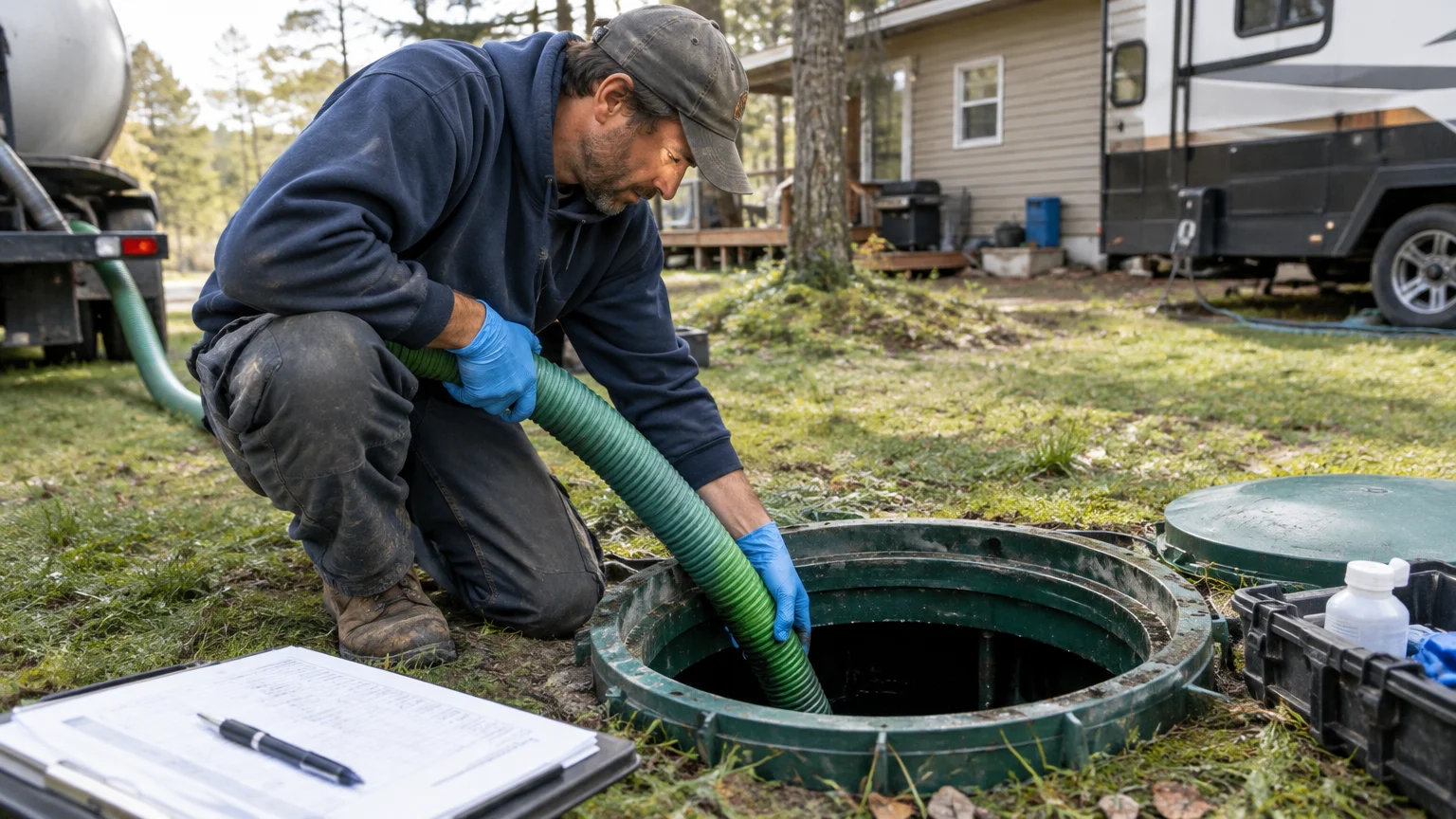
A few simple questions can help you decide whether a product is worth considering. They also keep your focus on the actual system, not just a broad promise.
- Does the label say the product is meant for this kind of septic system?
- Which ingredients are listed, and are there warnings or use limits?
- What result does the maker claim, and what proof supports it?
- Could the symptom point to a blockage, leak, or system failure instead?
- Has the tank been inspected, and are past care records available?
If you cannot answer these questions, it is safer to wait than add a product blindly. You can do basic upkeep, such as fixing dripping taps and avoiding improper flushing, without hiring a professional. But problems inside a buried tank or drainfield need proper care. Keep the package or a clear photo of its label ready for that discussion.
What are safer alternatives to septic tank additives?
Steady system care is safer than depending on an additive. Simple household habits can reduce strain, while records and professional inspections can help find problems. These steps cannot promise that a system will never fail, but they give owners better information than a product claim alone.
Everyday habits that protect the tank and drainfield
You do not need a professional for ordinary, safe habits. Use sinks and toilets as intended, fix leaks, and keep grease and items that do not belong out of drains. Spreading laundry and other water-heavy tasks can also reduce sudden demands on the system.
A household can follow a short care checklist:
- Flush only human waste and toilet paper.
- Keep wipes, paper towels, grease, and hygiene products out of toilets and drains.
- Fix leaks and avoid wasting water when possible.
- Keep vehicles and heavy equipment away from the tank and drainfield.
- Keep records of inspections, repairs, and pumping.
These habits can help families, tenants, landlords, and business owners. Tenants should know who handles septic care and how to report warning signs. Owners should share the system’s location and care steps with everyone who uses the property. Do not plant trees or dig near buried system parts until you know where they are.
Inspection, maintenance, and pumping by qualified professionals
A septic professional can check parts that a homeowner cannot safely see. They can review tank condition, look for signs of trouble, and discuss whether pumping or repair is needed. The right service depends on what an inspection finds, not on a product’s general promise.
Before buying a property, ask for care records and find out who last inspected the system. If records are missing, an assessment can help set a starting point. If you do not know how deep the tank is or where it sits, look for plans and local records, then ask a professional about safe access.
People may search for septic tank pump services or a septic system pumping service when help is needed. Choose a qualified provider who can explain what the system needs. Septic Tank Pumping Knoxville can discuss concerns and explain what an assessment may involve. A treatment should not replace an inspection when signs of trouble are present.
What is the verdict on R V septic tank treatment?
The practical verdict on R V septic tank treatment is to check its current label and evidence, while keeping expectations limited. Its name does not prove it can repair a system, prevent every problem, or replace pumping. Routine care and a professional diagnosis are safer ways to make decisions.
You may choose a treatment if its directions are clear and it suits the system. Still, think of it as a product, not a repair plan. If the system has odors, slow drains, wet ground, or backups, finding the cause matters more than adding an additive.
Key takeaways
- Check the current package for ingredients, directions, warnings, and intended use.
- Do not assume an additive removes sludge or replaces pumping and inspection.
- Watch for backups, odors, slow drains, or wet ground.
- Keep records and use simple habits to care for plumbing and the drainfield.
- Ask a qualified professional to assess symptoms or unclear product claims.
Frequently Asked Questions
What is a septic tank?
A septic tank is a buried container that receives wastewater from a home or other property. Solids settle, lighter material rises, and liquid flows toward the drainfield. The tank and drainfield work together, so a treatment cannot show whether both parts are working well.
How deep is a septic tank buried?
There is no one burial depth for every septic tank. Depth depends on the property, system design, and installation. Plans, permits, or local records may help you find it. Do not dig based on a guess, because you could damage buried pipes or utility lines, and the tank can be unsafe to open.
What is a septic tank riser?
A septic tank riser is an extension that brings the tank’s access opening closer to the ground. It can make it easier for a professional to reach the tank without as much digging. A riser does not show whether the tank needs pumping or the system works well.
Can R V septic tank treatment stop septic odors?
Check the product label to see whether it claims to address odors. A smell can have several causes, including plumbing, a vent, a blockage, or a septic concern. If the smell lasts or gets stronger, find the cause instead of relying only on treatment.
Can an additive fix a septic backup?
Do not rely on an additive to fix a backup. A blockage, full tank, or another system problem may cause it. Reduce water use, avoid contact with wastewater, and seek professional help to find the cause. Do not open or enter the tank.
Conclusion
Septic care is easier when owners know their system, keep useful records, and act on warning signs. Consider R V septic tank treatment only after checking its label and claims. It should not replace inspection, pumping, or repair when the system needs attention.
For property owners in Knoxville with septic system questions, Contact us to discuss the concern and possible next steps. Septic Tank Pumping Knoxville can help you understand what may need attention.
If you are not sure what you are dealing with, it is worth having someone look at it before it turns into a bigger job. Get in touch with Septic Tank Pumping Knoxville today and we will tell you where you stand.